Nerima-ku: Tokyo’s Quiet Backlot, Where Fields Became Film—and History Still Shows Through
Nerima is a neighborhood that until recently was agricultural. The fields gave way to military bases and then residential complexes, leaving considerable parks. But there is something that might interest visitors even more: The home of Japanese anime. Read on for more.
Tokyo loves to introduce itself with neon and crossroads, but Nerima-ku works differently. It sits in the city’s northwest, mostly residential, mostly green, and—if you listen closely—full of the kinds of historical echoes that helped shape modern Japan.
This is a ward where Edo-era farmland never entirely disappeared, where a wartime airfield later became an American housing enclave and then a vast public park, and where a cluster of studios helped turn anime into one of Japan’s most influential cultural exports. Even its local specialty, the famously hefty Nerima daikon radish, tells a story about urban change, resilience, and the stubborn persistence of agriculture inside the capital.
Tokyo’s Youngest Ward
Nerima is also Tokyo’s newest ward, established in 1947 after separating from Itabashi—young by administrative standards, older in lived texture.
For centuries, the Musashino plateau around Nerima supported farming communities that supplied Edo (and later Tokyo). The Official Tokyo Travel Guide notes that Nerima was cultivated as farmland in the Edo period, and that slow shift—from fields to housing—produced the ward’s modern “laid-back” residential character and its unusually large parks.
Nerima is associated with the anime industry.
Then came a different kind of cultivation: postwar popular culture. Nerima is widely described as a pillar of anime history, home to multiple studios that helped define the medium in the mid-20th century.
Toei Animation has a historical role and points to the area around Ōizumi as a kind of open-air “anime neighborhood,” with character statues and small heritage markers embedded in everyday streets.
Ōizumi in Nerima isn’t just “anime-themed”—it’s where a real industrial ecosystem formed. Nerima is often identified as the birthplace of the anime industry and highlights Toei Animation’s historic contributions.
The Toei Animation Museum is small and purpose-built: it’s less about blockbuster spectacle and more about process, legacy, and craft. The official visitor guide emphasizes checking opening days (closed every Wednesday, with additional irregular closures), and notes practical constraints like no parking—very Tokyo, very compact.
What you get, in exchange, is a tangible link between modern Japan’s “soft power” reputation and the ordinary neighborhood where it was made.
Nerima’s newest headline attraction is the Warner Bros. Studio Tour Tokyo – The Making of Harry Potter, built on the site of the former Toshimaen amusement park site and opened in 2023.
Even if you’re not a Harry Potter person, the location matters: it’s another example of Nerima’s pattern of reuse—land shifting from one era’s leisure culture to another’s, with the neighborhood absorbing change without becoming a caricature of itself.
A Ward Museum with Real Institutional Seriousness
Nerima also has a proper municipal art museum—Nerima Art Museum—opened in 1985 and focused on exhibitions of modern and contemporary Japanese art, plus collecting and research that includes artists connected to Nerima.
The ward’s official information page provides the basics (hours, closed days, access), and notes that admission fees vary by exhibition—typical for Japanese public museums and a good reminder to check current show pages before you go.
This museum is especially worth visiting if your mental image of Nerima begins and ends with anime. It rounds out the picture: not just pop culture production, but civic cultural infrastructure.
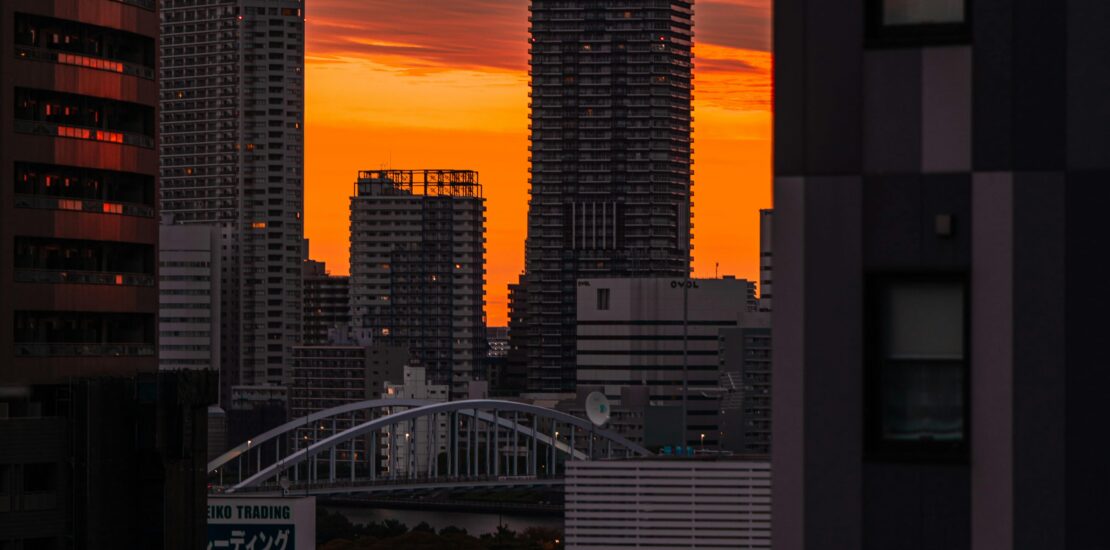
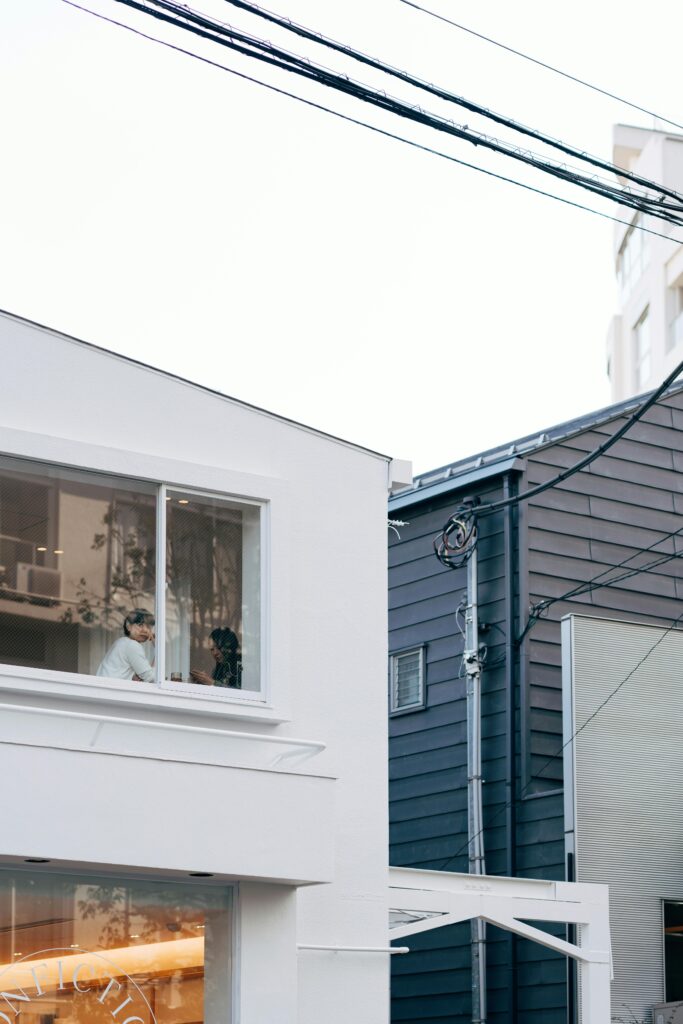
Nerima is mostly a residential neighborhood today.
If you want one place where Nerima’s 20th century is plainly visible, it’s Hikarigaoka Park. The Tokyo parks authority explains that the area was first planned for other uses but was repurposed during the Pacific War for the Army’s Narimasu Airfield; after the war it became the U.S. housing area “Grant Heights,” and after the land return was completed in 1973, roughly one-third of the site was secured as parkland.
Core Arc of Modern Japan
That sequence—militarization, occupation-era domesticity, then civic reuse—tracks the core arc of modern Japan. Today the park reads as pure local life: lawns, sports areas, and seasonal cherry blossoms, with no need for heavy-handed signage to prove what it used to be.
Shakujii Park is one of Nerima’s signature landscapes: two ponds (quiet Sanpōji Pond and more open Shakujii Pond) surrounded by woodland that still feels like Musashino. The official park description also notes the presence of Shakujii Castle ruins and related archaeological traces—exactly the kind of “history hiding in plain sight” that Nerima does best.
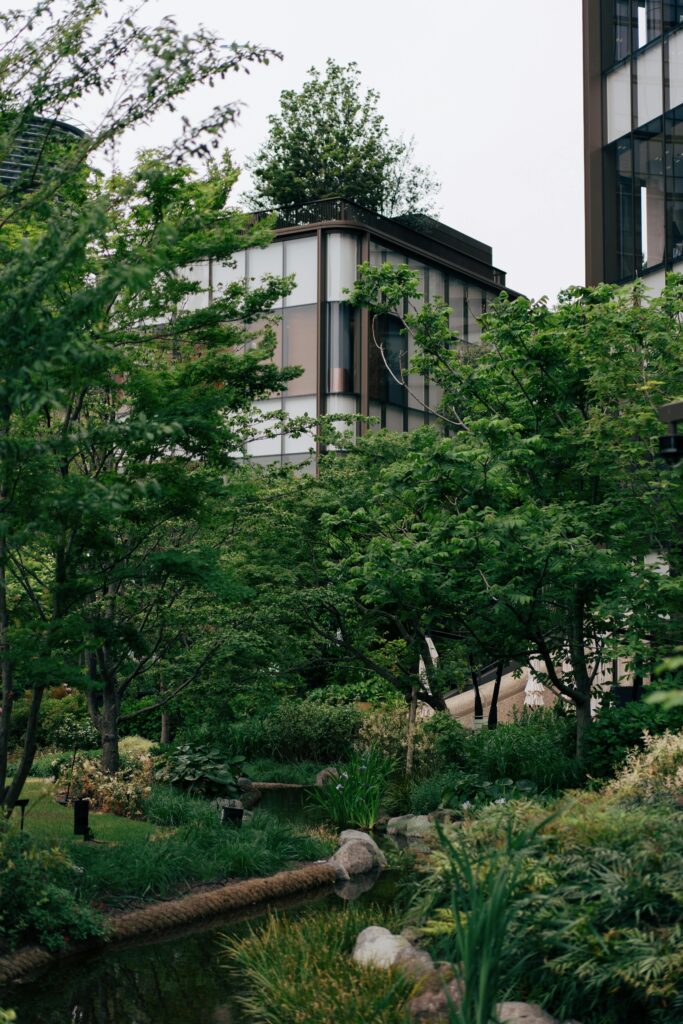
Nerima has many gardens hiding in plain sight.
The Nerima ward website even frames the broader area as a walk that mixes river-shaped terrain, remaining woodlands, and historic temples and shrines—an itinerary where nature and local faith sites coexist rather than compete.
Close to Shakujii Park sits Sanpōji, a Shingon temple also known as Shakujii Fudō. Japanese references connect it to the adjacent pond — Sanpōji Pond is named after the temple — and note how Meiji-era separation of Buddhism and Shinto reshaped nearby sacred sites (for example, a former Benzaiten-related worship site becoming a shrine).
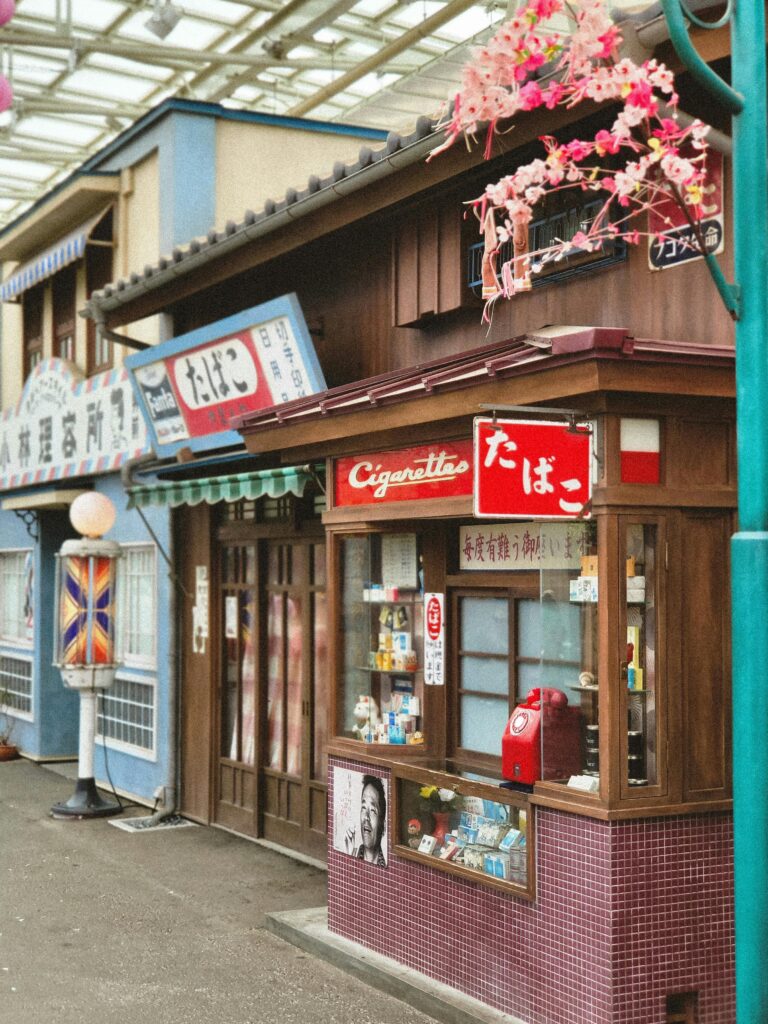
Showa-era memories dot Nerima Ward.
Even if you’re not a temple-hopper, Sanpōji is valuable as a “continuity spot”: it anchors the park’s water landscape to the religious map that once organized daily life in this part of Musashino.
Nerima has many smaller neighborhood shrines and temples as well, often tucked into residential blocks. The rural background is clearly visible here, the shrines and temples still the center of their ancient, now invisible, neighborhood. A good approach is to treat them as part of the walk rather than isolated destinations.
Local Specialties: Nerima Daikon and the Persistence of Farming
It’s easy to forget Tokyo still has agriculture, but Nerima keeps insisting. The Nerima daikon radish is the ward’s emblematic local product—large, traditionally pickled, and historically produced in vast numbers.
Agriculture is not dead in Nerima ward, and the Nerima Daikon is its premier exponent.
Production probably peaked at around 500,000 annually in the early Showa era, declined after the mid-1950s, and would have disappeared but for a 1989 revival program involving the ward, farmers, and agricultural cooperatives helped prevent extinction.
That single vegetable encapsulates Nerima’s identity: a place where modern Tokyo spread over farmland, yet never fully erased it.
How to Experience Nerima Like it Wants To be Experienced
Nerima doesn’t reward checklist tourism. It rewards walking itineraries: a station-to-park route, a pond-to-temple detour, an animation museum visit that ends with neighborhood lunch rather than a souvenir mall. The ward is connected by multiple lines (including Seibu lines and the Ōedo Line), with Nerima Station as a key access point.
If Tokyo is the stage, Nerima is the backlot—where the sets are real, the history is layered, and modern Japan’s cultural engine still hums behind quiet streets and surprisingly deep greenery.
Stay tuned for more exciting content like this! Follow us on our social media platforms and check out our blog regularly to stay updated on the latest news, trends, and insider stories from Japan. Don’t miss out on future updates — sign up for our newsletter for exclusive content delivered straight to your inbox!
Wisterian Watertree
Wisterian Watertree has been living in Tokyo and other Japanese cities for
the past 20 years, helping visitors get the best of Japan. He is the author of two
books, ”Take Your Toddlers To Tokyo” and ”Driving In Japan”, with more on the
way. You can read more on his website Japan Top 10, https://japan-top-10.com.