Open a bank account in Japan in 2026 with this full guide: required documents, steps, approval rules, rejection reasons, and bank comparisons.

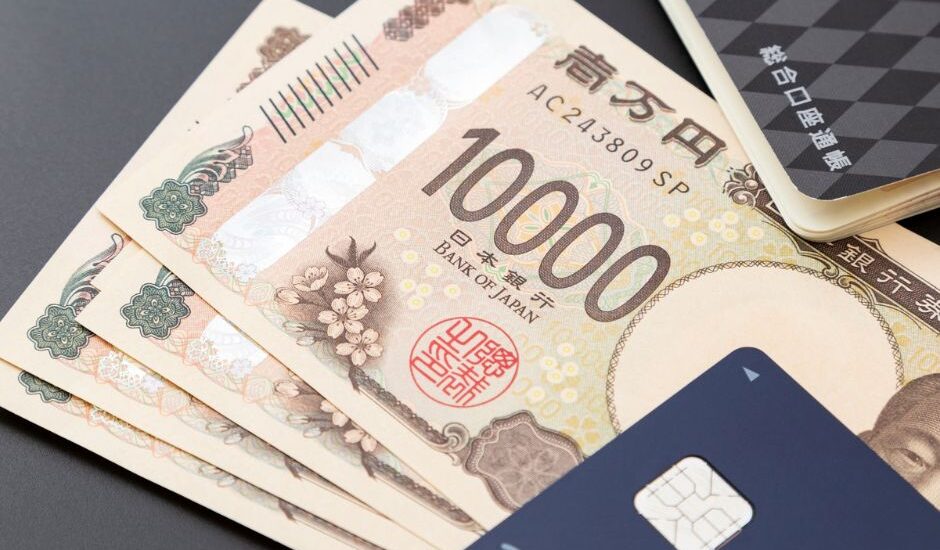
Open a bank account in Japan in 2026 with this full guide: required documents, steps, approval rules, rejection reasons, and bank comparisons.
Opening a bank account in Japan is one of the most important tasks for new residents. Whether you’ll be working and using it to receive a salary or using it as a means of paying monthly expenses, a bank account is a crucial part of your life in Japan. While it used to be relatively straightforward, regulatory changes after 2020 and continued AML (Anti-Money Laundering) tightening through 2025 and 2026 have made the process more structured, slower, and more document-heavy.
This guide provides a 2026-accurate overview of the entire process of opening a bank account in Japan, such as the required documents, steps to completion, common approval rules, as well as reasons why applications may get rejected. It will also contain a comparison table among major banks in Japan, because they have varying levels of difficulty and features. Lastly, the guide will include which banks are most realistic for foreigners, students, and newcomers.
In recent years, opening a bank account in Japan has become more regulated due to tighter AML laws and identity verification rules. Banks now need to clearly confirm who you are, where you live, and a valid reason why you need to open an account. This means more document checks, clearer explanations, and longer processing times than before. These changes actually apply to all residents, not just foreigners, and are meant to improve financial transparency rather than restrict access. Locals also receive mail from their banks asking them to verify the use of the account and if there have been any changes to personal information.
The stricter rules around opening bank accounts in Japan were prompted by major changes in how money moves globally, such as the rise of online banking, digital remittance services, and fast international transfers, Although these tools made it easier to move funds across borders, it also led to increased misuse, including shell and dormant accounts opened with unclear purpose, accounts left active after residents left Japan, and accounts used for fraudulent transactions or tax evasion.
Given the background that prompted these changes, it’s best to come prepared when opening a bank account in Japan to ensure a smooth process and success in your endeavors.
Living in Japan without a local bank account is possible in the short term, but it quickly becomes impractical for anyone planning to stay longer than a few weeks. Many essential services in Japan are designed around domestic bank transfers and automatic withdrawals rather than credit cards or cash. A Japanese bank account allows residents to fully participate in everyday systems that are otherwise difficult or impossible to access.
One of the most important uses of a bank account is receiving income. Salaries, part-time wages, freelance payments, scholarships, and stipends are typically paid via bank transfer to a Japanese account. Most employers and institutions do not pay in cash or to overseas accounts, making a local bank account essential for work or study.
A bank account is also central to housing and daily expenses. Rent, management fees, utilities, internet, mobile phone plans, and other recurring bills are commonly paid through automatic bank withdrawals (口座振替) or manual transfers. Many landlords and service providers either strongly prefer or require a Japanese account, as it reduces payment issues and administrative costs.
Beyond payments, a bank account is important for financial stability and administration. It allows residents to withdraw cash easily, use debit cards, receive government refunds or benefits, pay taxes and insurance, and manage savings securely. In practice, having a Japanese bank account is not just a convenience—it is a basic requirement for settling into life in Japan smoothly and independently.
Most banks in Japan require a standard set of documents to verify your identity, residency, and eligibility before opening an account. While specific requirements may vary slightly by bank, the documents listed below are considered the baseline in 2026 and are requested in the majority of applications, regardless of visa type.
This is non-negotiable and must be valid and unexpired. The resident card must show a mid- to long-term visa status such as student, work, spouse, dependent, long-term, or permanent resident. Temporary visitor or tourist status visas are not accepted. Expired residence cards or those pending renewal may be accepted, although most will be denied until renewed. Take note that some banks will also check the remaining length of stay and the total time already spent in Japan.
Banks must confirm that you actually live in the stated address in your residence card, thus requiring more accompanying documents. Commonly accepted are: Jūminhyō (住民票), Utility bill (electricity, gas, or water), health insurance card or document with address, or official mail from your city hall. Ensure that your address matches in the residence card, city registration, and bank application.
Although Japan is modernizing, you are still required to have a personal seal or hanko in some traditional branches, although more and more banks are now accepting signature-based accounts. A registered (jutsuin) seal, the one that’s registered at the city hall with a certificate, is not required, and a simple hanko is sufficient. If unsure, bring both a pen and a hanko.
A local phone number is required for identity confirmation, SMS or automated calls, online banking setup, and fraud alerts, making it a core requirement in opening an account. Postpaid mobile numbers and some prepaid SIMs that are bank-dependent are accepted. Overseas numbers, temporary data-only SIMs, or VoIP numbers are often rejected.
In some cases, banks may request extra documents to better understand your situation, especially if you are newly arrived or have a shorter visa duration. Additional checks are also conducted if you’re opening an account soon after registering your address. These requests are routine and do not mean your application will be rejected.
While not always mandatory at the counter, a My Number card is increasingly required after account opening. Common reasons why banks request it are to confirm salary payments, tax reporting, and interest reporting, among other purposes. The official My Number card or even the paper notification card is often accepted.
This is where many who have just recently entered Japan get stuck. Banks often ask for proof of employment or enrollment in an educational institute if your visa duration is short or you don’t yet have an income history in Japan. Examples of documents you can have on standby include: an employment contract, a company offer letter, a student enrollment certificate, or a student ID. You don’t need to be fluent in Japanese as long as you can explain who pays you, how you receive income, or why you need a Japanese bank account.
Banks in Japan now offer both in-person and online account opening options, but eligibility and success rates differ depending on your residency history, language ability, and documentation. Understanding which method is more suitable for your situation can save time and reduce the risk of delays or rejection.
This is still the most reliable method and highly recommended if you are new to Japan, don’t speak Japanese confidently, and your documents need an in-person explanation. You can expect the entire process to last between 30 minutes and an hour, including a short interview about the purpose of the account. The cash card will then be mailed to your registered address in 1-2 weeks.
Chances of approval for opening a bank account online increase if you have lived in Japan longer, can read Japanese (although Google Translate is helpful), and your documents are already on file with the bank. Take note that the chances of quick approval are highly dependent on the bank accepting your documents on the first try; otherwise, identity verification postcards would be mailed to your address, which can easily lengthen the entire process compared to in-person applications.
Bank account applications in Japan are usually rejected for procedural or documentation-related reasons rather than personal eligibility. Knowing the most common issues in advance helps applicants avoid simple mistakes and significantly improves the chances of approval. The most common issues for a bank account application to be rejected are: address mismatch between submitted documents, less than six months of residence (depending on the bank), no clear purpose for the account, inconsistent answers during screening, or applying immediately after arrival without employer/enrollment backing.
It’s important to note that being rejected by one bank does not blacklist you. You can apply to another bank immediately.
Below is a table comparing the major banks in Japan and their processes in accepting new account applications. We’ve noted their foreign-friendliness, availability of English support, residency requirements, online banking capabilities, approval time, and other important notes. Having the table below helps in your decision-making depending on the features you require.
| Bank | Foreign-Friendliness | English Support | Residency Requirement | Online Banking | Typical Approval Speed | Notes |
| Japan Post Bank | ⭐⭐⭐⭐☆ | Limited | Often flexible | Basic | 1–2 weeks | Most accessible, slower systems |
| SMBC | ⭐⭐⭐☆☆ | Moderate | Often 6+ months | Strong | 1–2 weeks | Strict screening, good app |
| MUFJ | ⭐⭐⭐☆☆ | Limited | Often 6+ months | Strong | 2–3 weeks | Documentation-heavy |
| Mizuho | ⭐⭐☆☆☆ | Minimal | Strict | Average | 2–3 weeks | Least foreign-friendly |
| Shinsei Bank | ⭐⭐⭐⭐☆ | Good | Conditions apply | Strong | 1–2 weeks | English UI, fewer branches |
| Rakuten Bank | ⭐⭐⭐☆☆ | Limited | Residence history needed | Strong | 1–2 weeks | App-based, Japanese only |
| Sony Bank | ⭐⭐⭐⭐☆ | Good | Stable residency required | Excellent | 1–2 weeks | Great for international use |
If possible:
Opening a bank account in Japan may feel more complicated than expected, but it reflects how closely everyday life, work, and administration are tied to the domestic banking system. With the right documents, a clear purpose, and realistic expectations, most residents can open an account without major difficulty. Understanding the process in advance helps reduce delays, avoid unnecessary rejections, and make the transition to living in Japan smoother and more manageable.
Stay tuned for more exciting content like this! Follow us on our social media platforms and check out our blog regularly to stay updated on the latest news, trends, and insider stories from Japan. Don’t miss out on future updates — sign up for our newsletter for exclusive content delivered straight to your inbox!