Art To Heal The Soul
It’s a new year, and one of my biggest personal goals is to challenge myself to do more self-care activities that genuinely bring me joy. I’ve said it before and I’ll say it again~~~ I am a huge advocate for taking care of your mental health, especially while living abroad. I’m always looking for new ways to practice mindfulness and emotional wellness here in Japan.
One of the Japanese techniques I’ve actually mentioned briefly in a previous article about self-care (that you can read here) is Kintsugi.
What is Kintsugi?
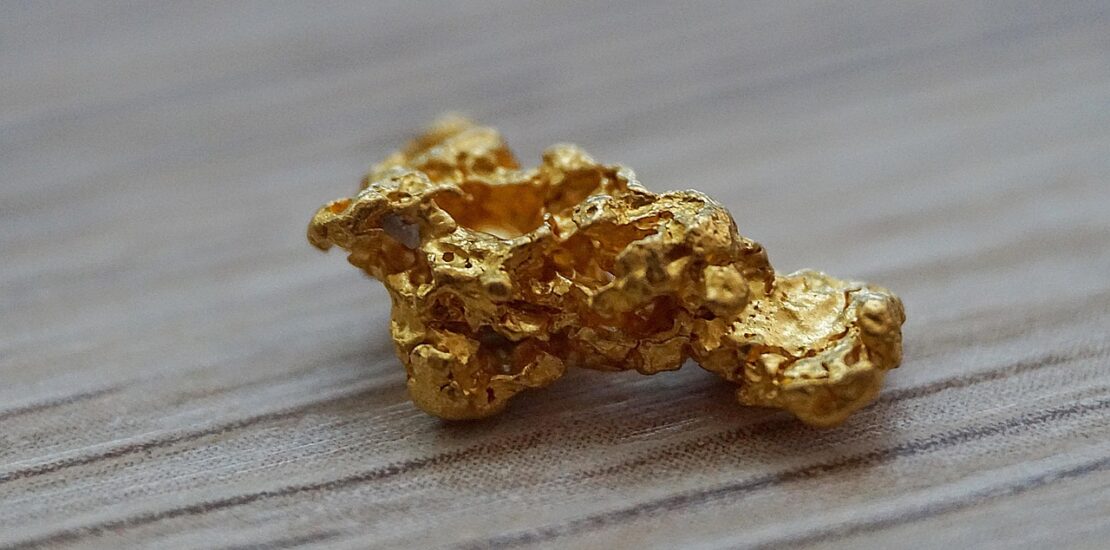
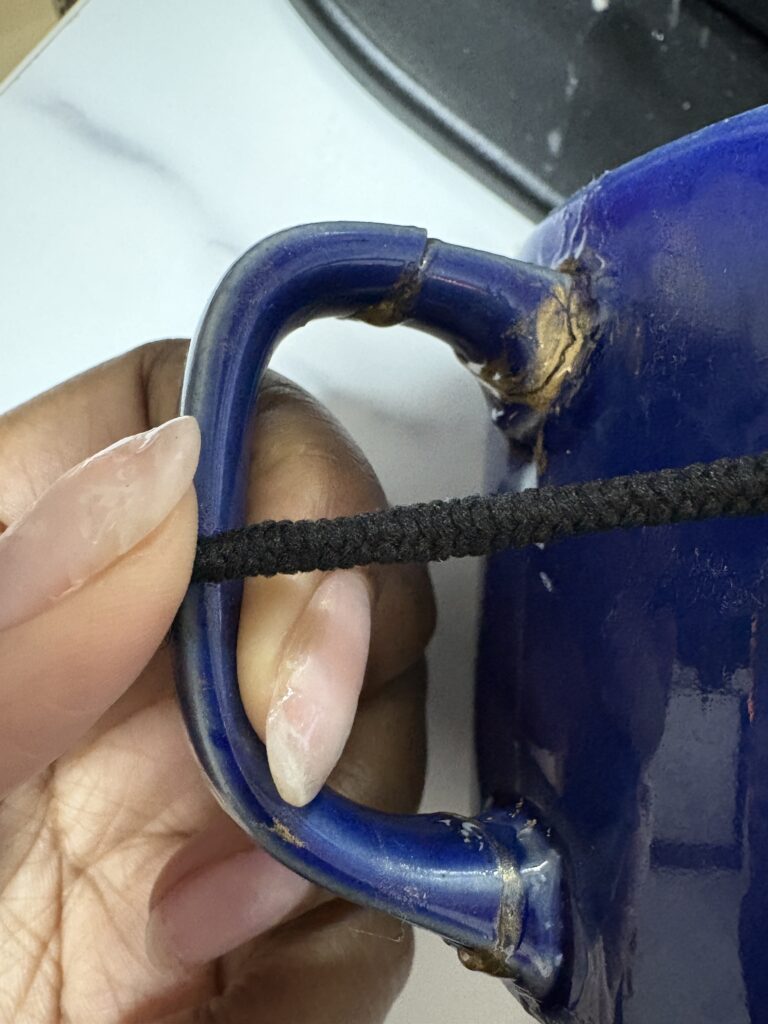
Kintsugi (金継ぎ) is a traditional Japanese art form where broken pottery is repaired using lacquer mixed with powdered gold, silver, or platinum. Instead of hiding the cracks, Kintsugi highlights them. The fractures become part of the design, transforming something broken into something even more beautiful than before.
Philosophically, Kintsugi is rooted in wabi-sabi, the Japanese concept of finding beauty in imperfection, impermanence, and authenticity. Rather than throwing something away, you honor its history.
I love that so much.
It reminds me of a lyric from Huntrix in “What It Sounds Like”:
“Get up and let the jagged edges meet the light instead.”
I feel like those words perfectly embody what Kintsugi is all about. Nothing is broken! We just need to look at it from a different angle and maybe add a little glitter.
Why I’m Doing This Now
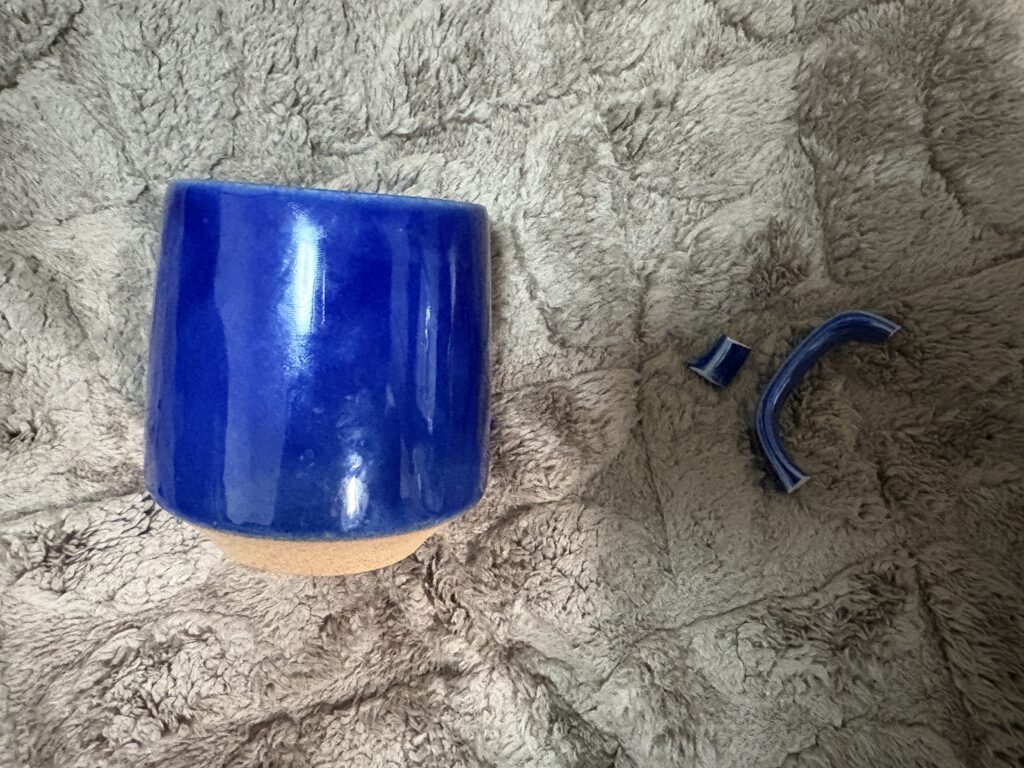
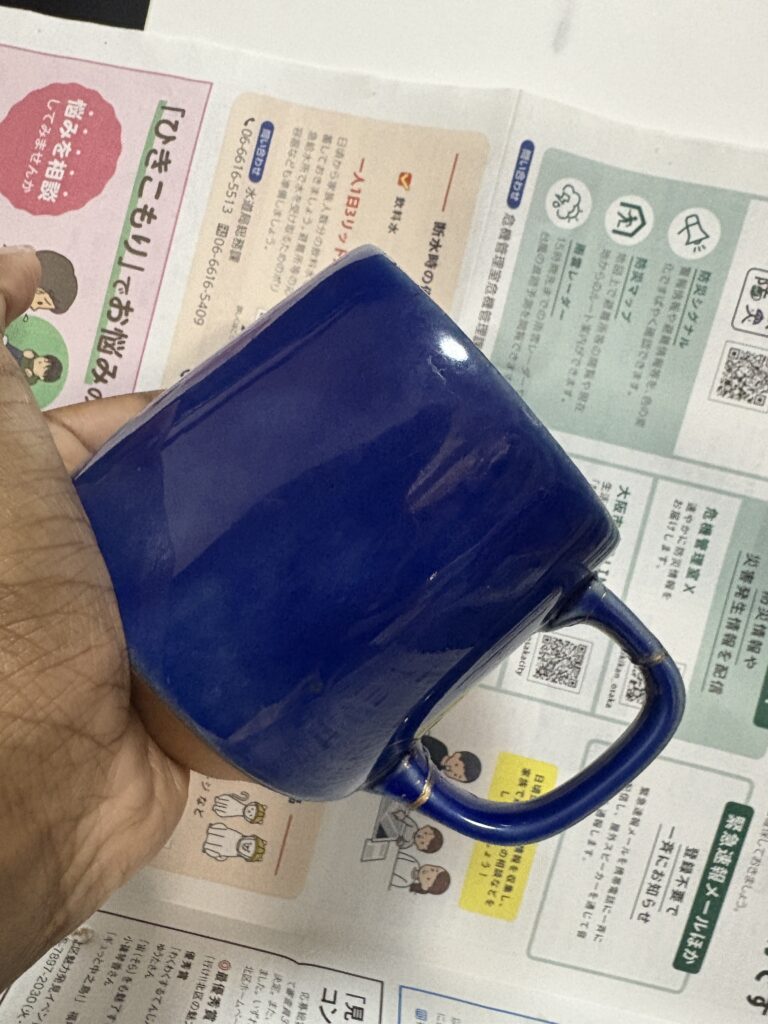
On January 2nd, I accidentally broke one of my favorite ceramic mugs :,) I’m such a clutz! It’s a very special earthenware piece gifted to me by my Japanese family, knowing how much I love teapots, tea, and beautiful glassware. I use it often, so when it slipped out of my hands and broke in the sink while I was washing dishes, I was honestly shocked.
But….Instead of panicking or getting upset, I smiled. I immediately thought of Kintsugi. I carefully placed the broken pieces to the side, kept singing while finishing the dishes, and then ordered my supplies right after.
(This is living proof that self-care and positive mindset work, haha. A few years ago, I would’ve been so frustrated and angry at myself about breaking something irreplaceable. But the version of me now just felt grateful, grateful to have had the mug, and that it broke in a way that could be repaired.)
My Experience Doing Kintsugi Art at Home
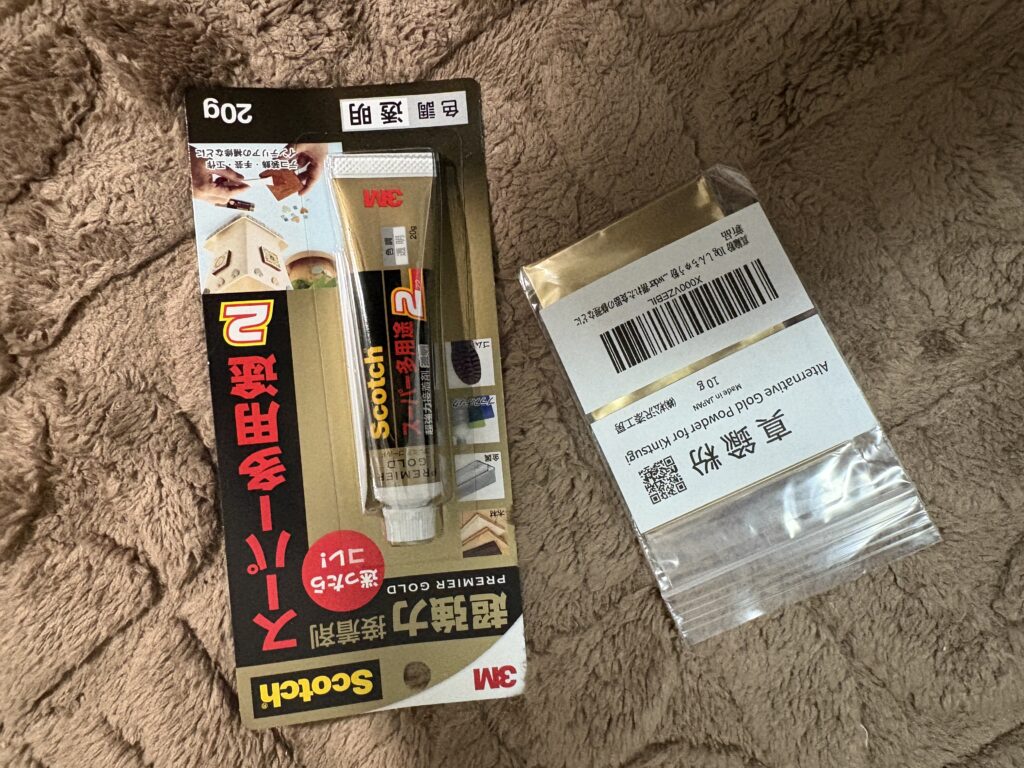
After doing some research, I decided to try a DIY Kintsugi method at home. It was affordable, accessible, and honestly perfect for my schedule. Here’s what I used:
*3M Scotch Premier Gold Super Multi-Purpose
*Brass Powder, 0.3 oz (10 g)
*You’ll need some q-tips too!
*Gloves…which I forgot…
Prep: Cover your workspace with newspaper or paper towels. Seriously, do not skip this step. This stuff gets everywhere. Wear gloves too! I forgot, and my hands were sticky for way too long after.
1) Using a Q-tip, mix a small dab of gold powder into the glue. A little goes a long way.
2) Apply the mixture to the broken edges. I recommend a thin layer (too thick and it won’t set properly).
3) Carefully press the pieces together so they align correctly. Firm, but not too tight.
4) I learned the hard way that you need to hold the pieces in place. Ideally for at least 10 minutes. Either use your hands or bind them gently. I didn’t do this long enough because I had to rush to work (don’t ask why I started this right before leaving).
5) Let it cure and set in place for at least 48 hours. I personally plan to wait a full week before using the mug again because I’m still a little nervous, haha. I’ll update you!
Where You Can Get Your Own Kintsugi Experience
If you’re interested in trying Kintsugi yourself, you have a few options:
*Order individual supplies online like I did 🙂
*Kintsugi Repair Kit
*Attend a Kintsugi workshop
If you’re in Osaka, here are a few places that offer Kintsugi workshops in Osaka:
*Kintsugi Workshop (Osaka)
*Easy Workshop in Osaka
Happy Kintsugi-ing!
If you’re looking for a unique self-care activity in Japan, or a deeply meaningful cultural experience, Kintsugi is truly something special. Whether you do it at home or in a workshop, it’s calming, reflective, and surprisingly emotional.
I genuinely hope this year is a positive and gentle one for you. Please slow down, take care of your mental health, and learn to appreciate yourself exactly as you are. Cracks and all. 😉
Until the next article, please stay happy, healthy, and safe annnnnnd always try to see the beauty in the cracks.
Stay tuned for more exciting content like this! Follow us on our social media platforms and check out our blog regularly to stay updated on the latest news, trends, and insider stories from Japan. Don’t miss out on future updates — sign up for our newsletter for exclusive content delivered straight to your inbox!