Bouldering in Japan may look intimidating, but the experience is structured, beginner-friendly, and surprisingly relaxing. Here’s what to expect on your first visit.

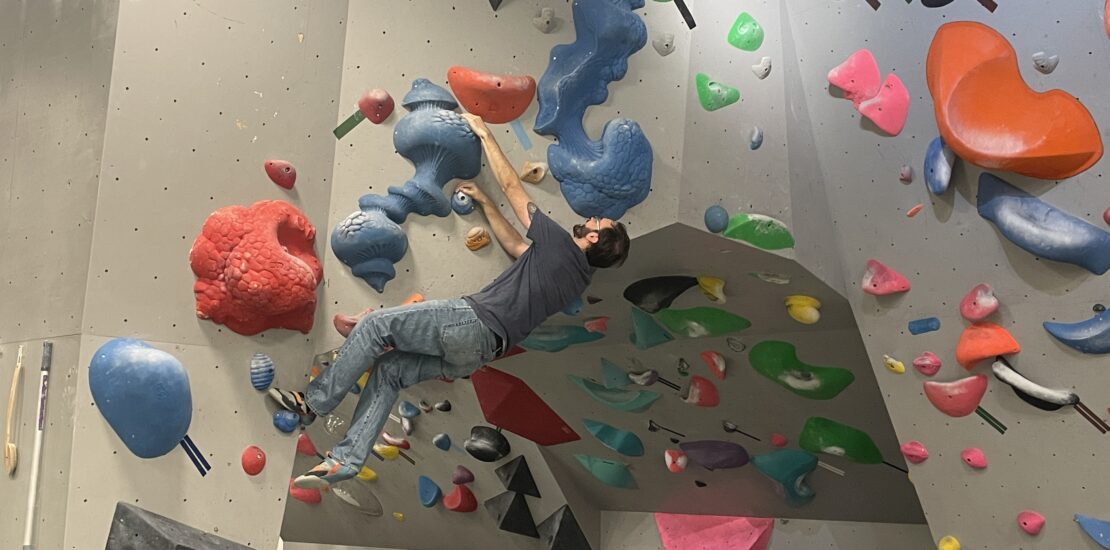
Bouldering in Japan may look intimidating, but the experience is structured, beginner-friendly, and surprisingly relaxing. Here’s what to expect on your first visit.
Have you ever wondered what it would be like to go bouldering in Japan? In case you are not aware, bouldering in Japan is one of those activities that looks intimidating at first, but once you actually step inside a gym, it can actually be pretty relaxing and exhilarating at the same time. If you’re curious about trying it while living in or visiting Japan, the experience is very structured, very organized, and very… Japanese.
Bouldering gyms in Japan are everywhere. As a matter of fact, you’ll often see them near train stations, inside or close to shopping centers like AEON mall, or tucked into small suburban areas with a small community. Some are independent gyms, while others belong to well-known chains like Altior, B-PUMP or NOBOROCK.
They’re usually straightforward in design and something you would expect from any normal climbing gym, generally clean, and clearly laid out. On weekends, these places can get very busy with customers of all ages coming to enjoy with friends and family. On weekdays, especially before the end of work or school hours, they’re much calmer and easier to enjoy without waiting too long for your turn.
One thing that you will notice upon entering is the demographic of people who regularly come to the gym. The goers can range from older adults, office workers, middle-aged climbers, university students, to very young kids. Bouldering in Japan really is an all-ages activity and you can actually learn the basics in your first visit.

Most bouldering gyms in Japan require a one-time membership or registration fee on your first visit. The price varies depending on the gym, but it’s usually reasonable. After that, you pay an entry fee per visit. You register, sign a form, and sometimes receive a small card or membership number. Everything is efficient and clear. Since most companies are now going digital, bouldering gyms require you to sign up via QR code and most even ask if you could leave them a review on Google. Don’t forget to bring any ID as this is needed when you sign up as a member.
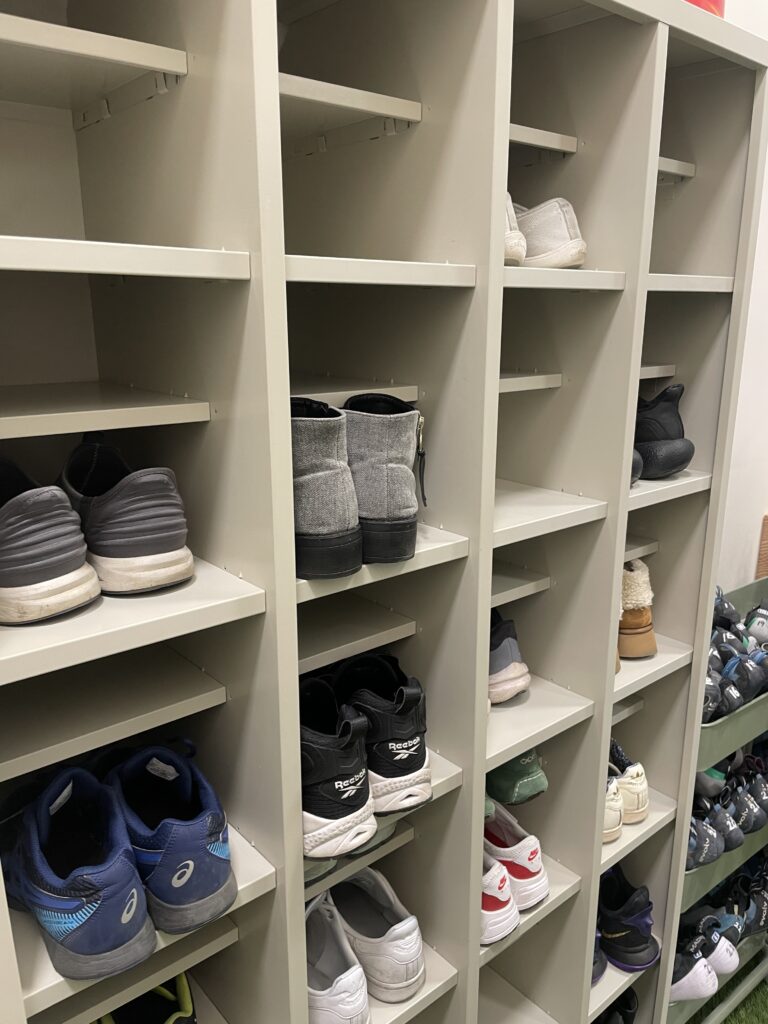
Once you’re checked in, you’ll use a locker to store your belongings. Shoes, bags, and jackets all go inside. You are not allowed to use regular shoes or sneakers when climbing. Instead, you change into special bouldering shoes, which most gyms rent out for a fee. If it’s your first time, many gyms let you borrow shoes for free, but on your second visit and after, rental usually costs under ¥500.
It may look a bit scary at first, but don’t stress about the shoes. They’re designed specifically to grip the wall properly, and they feel much more secure than they look.

If it’s your first time bouldering, staff will usually guide you through the basics of bouldering. This often starts with a short instructional video explaining safety rules, how to fall properly, and how the routes work. The videos will most likely be in Japanese, but if you prefer, you could ask whether they have a video in English.
After that, a staff member or instructor may help you directly and even demonstrate the right way to start, especially if you look unsure or if it is your first time.
This is one of the most important parts of bouldering in most gyms.
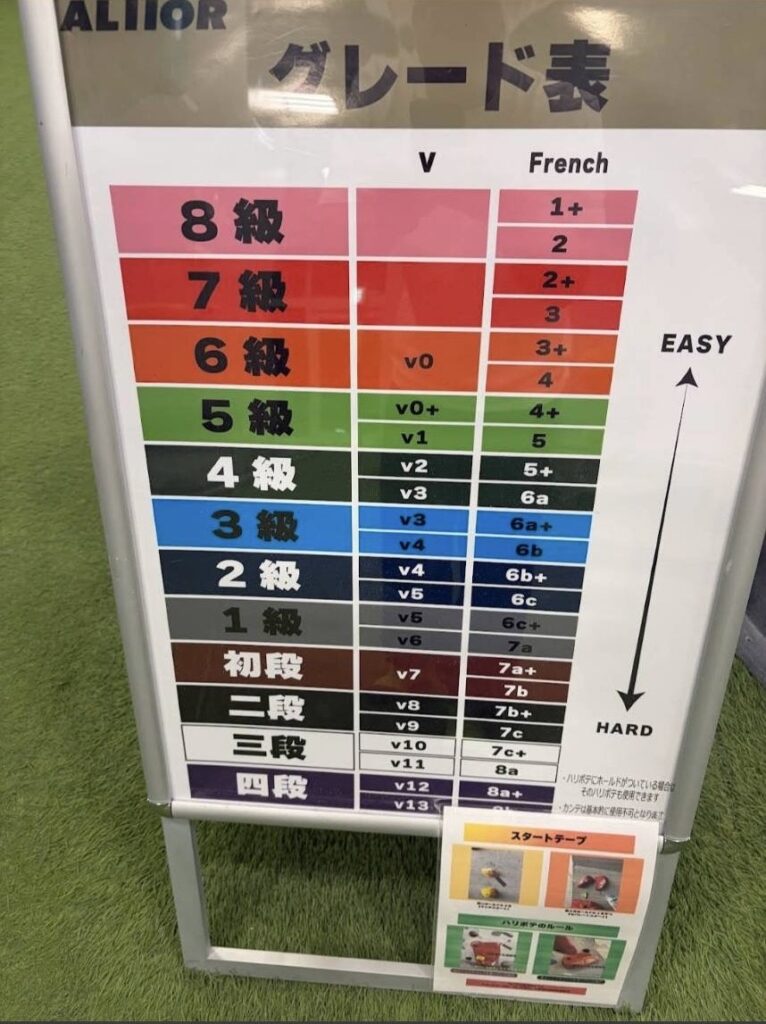
Basically, the climbing routes are designed to follow a certain pat that is fixed. They are categorized by color, and each color represents a different difficulty level. Common colors include yellow, red, orange, blue, and others, depending on the gym. At Altior for example, pink was the easiest level, perfect for complete beginners.
How it goes… You start with the easiest color and work your way up when you feel comfortable. Each route is designed differently and difficulty isn’t just about height, It’s also about:
• The position of the holds
• How smooth or slippery the surface is
• How much balance versus strength you need
• Whether you can use your whole hand or only your fingertips
As routes get harder, you’ll rely more on finger grip, body positioning, and technique rather than brute strength and make sure that you are putting your weight in the right angle.
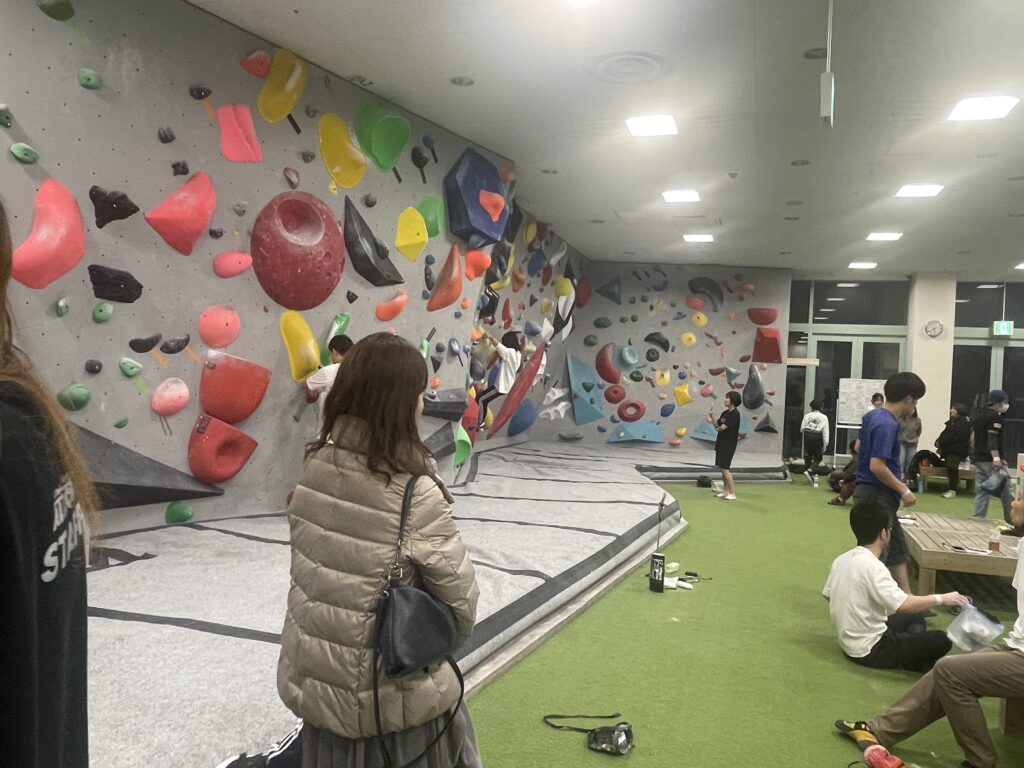
Bouldering gyms in Japan follow clear etiquette rules, and people generally respect them. The rules are pretty simple and they may or may not be explicitly stated in the premises. In case you are wondering and are not sure, they are as follows:
If someone is climbing on a wall, you don’t climb right next to them and you wait until they finish because the walls are not built for several climbers and may no be able to handle the weight. Climbers take turns, and after completing one route, you step back and let someone else go.
This keeps things safe and avoids accidents, especially when people fall off the wall.
Some bouldering gyms in Japan let you stay as long as you want after paying the entry fee while others operate on specific time limits, such as one or two hours per appointment. Bouldering gyms accept both walk ins and reservations, so you can also decide based on the pricing available or how crowded the gym is. Here is the pricelist for this gym: Picture here
This varies by gym, so it’s best to ask the staff before you start climbing so you know what to expect.
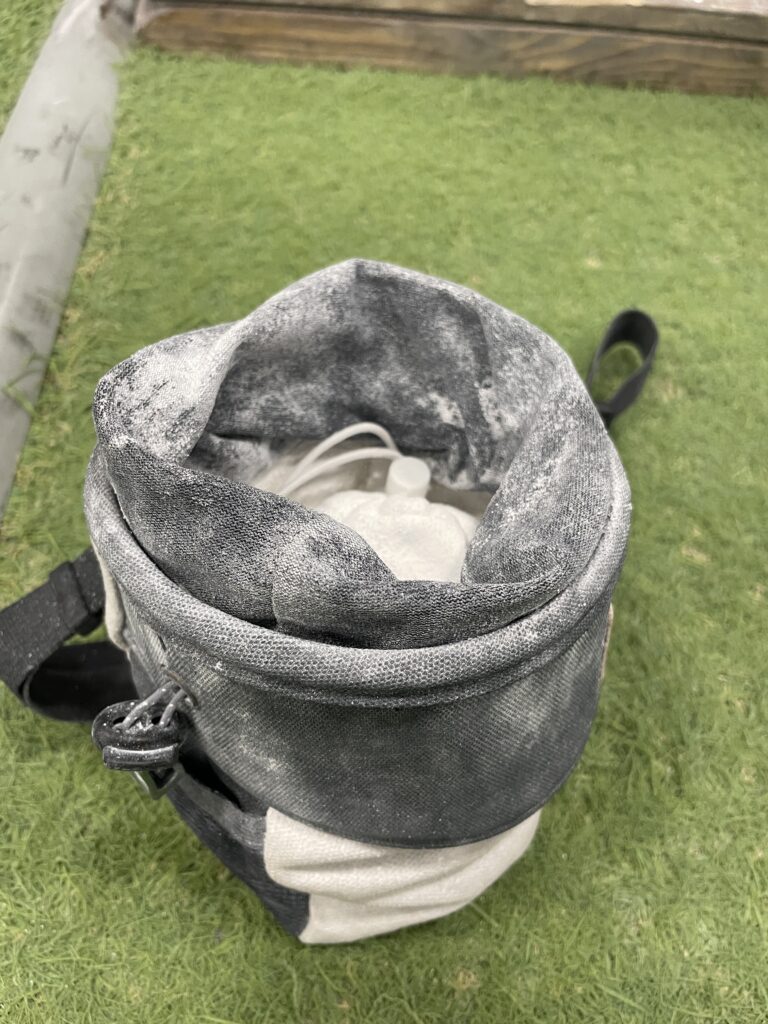
You’ll notice chalk stations around the gym and in most cases, the staff will hand you your own bag of chalk to use in the whole duration of your stay. Chalk is essential for bouldering and you’re encouraged to use it before climbing to improve grip and reduce slipping. Some of the rocks are a bit slippery due to the number of people using, so taking extra precaution is always better for you especially if you just started.
Between chalk, proper shoes, and padded floors, the environment actually feels much safer than it might look at first.
Absolutely. Bouldering in Japan is structured, inclusive, and surprisingly relaxing once you get into it. It’s a great activity to do alone, with friends, or even as a family outing.
If you’re curious, just search for a bouldering gym near your nearest station and give it a try. You don’t need experience, fancy gear, or extreme fitness to start. Just a bit of curiosity and willingness to climb.
You might end up liking it more than you expect!