Hot baths are ingrained in Japanese culture. Going to the bathhouse used to be a weekly ritual for families, who would enjoy the communal experience. Because getting clean is only a part of the Japanese bathing experience. The social experience is as much, if not more, important than soaking in a pool of hot mineral water. Read on to understand more.
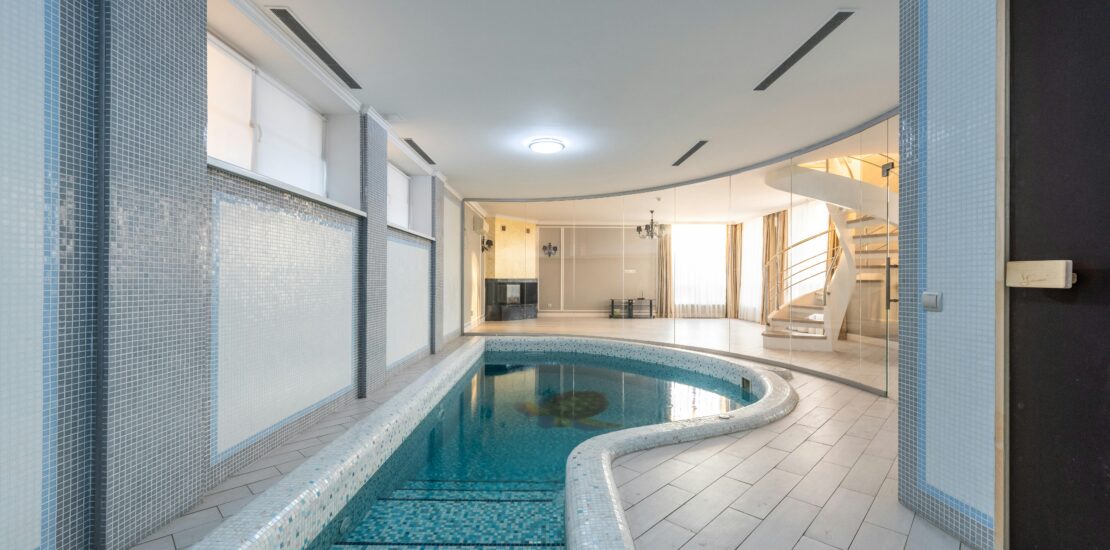
A traditional Japanese bath, whether located in a city or in the mountains, whether fed by hot water from a volcanic spring or by water heated in a furnace like the one in “Spirited Away”, is much the same. Few are as luxurious as the one run by Yubaba, but then they cater to ordinary humans, and not gods and spirits.
Human baths everywhere
There are bath houses everywhere in Japan, and even though there used to be many more before most homes had a bath of their own, there is usually one relatively nearby where you are. After WWII, going to the public bath was a family weekend ritual, making sure to clean yourself up for the coming week. If you stay in a traditional area, you can still see the workmen take their bathing gear to the public bath at the end of the last shift of the week.
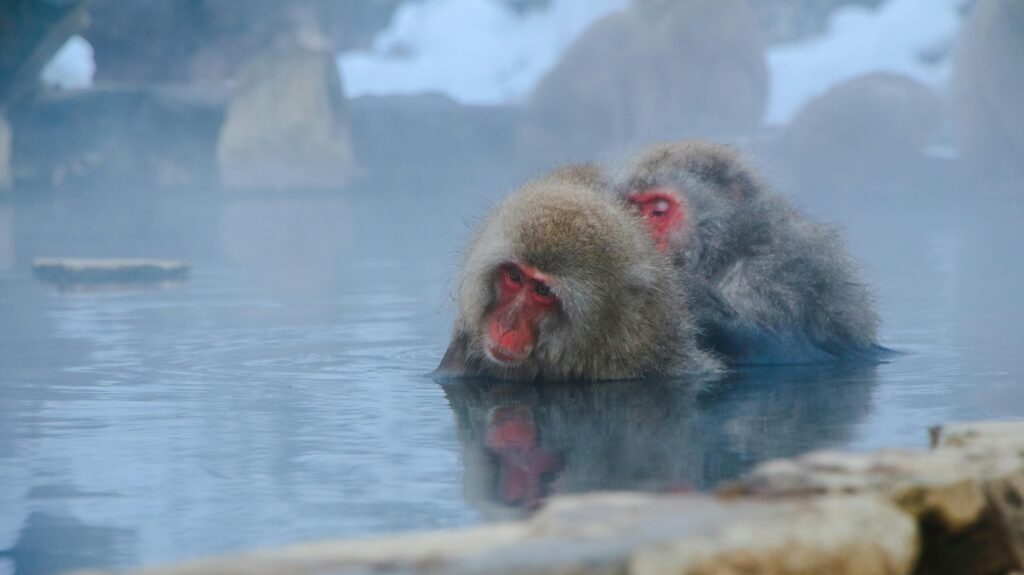
In Japan, even monkeys use the hot springs (only in one location, though).
Bathing is not just about getting clean in Japan, although that is an important part of it. It is also about enjoying the communal experience, and even though children are likely to find it less than interesting (there are no toys, this is not a waterpark), they get dragged along. Or used to get dragged along, since they will probably enjoy playing in the tub at home with their water toys than have to sit and listen to grown-ups talking while soaking.
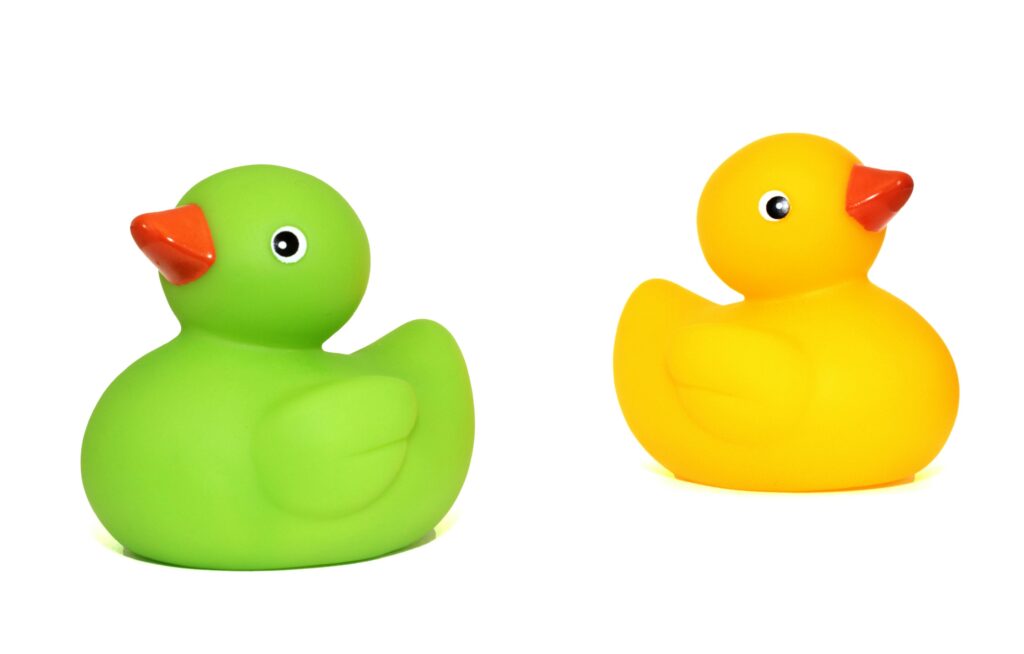
Usually, there are no toys in a traditional Japanese bath.
When you enter a Japanese public bath, you take off your shoes. This is true whether in a hotel bath in a hot spring town or the neighbourhood sento (the word for a public bath which is not fed by a natural hot spring — in that case, you typically talk about an onsen). And then you put the shoes away in a locker. The key may be the traditional type, made of a block of wood, but nowadays it is often a normal key.
Tattoos in Onsen are strictly prohibited
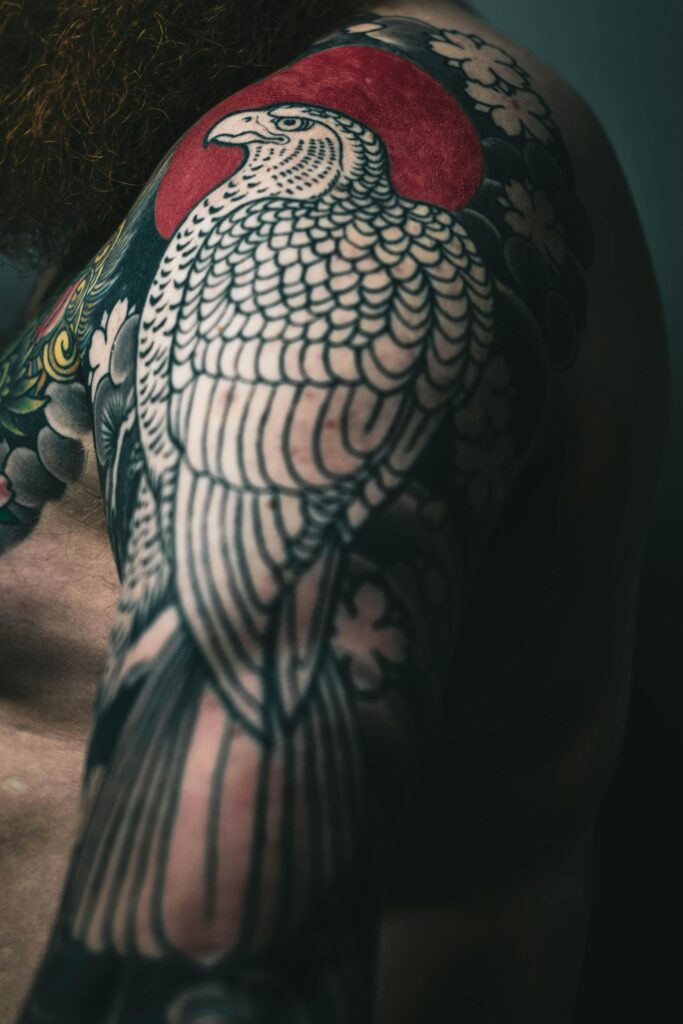
There may be signs saying tattoos are prohibited. This is to shut out the Yakuza gangs, who are famously tattooed. If you have small tattoos and cover them with athletic tape, you will be OK. The Japanese know that there are very few Yakuza of Western, African, or Indian extraction.
Traditional tattoos are associated with criminal gangs.
And then you pay your ticket. There used to be a cashier sitting on an elevated platform between the men’s and ladies’ entrances, able to see everything that was going on (and the best provider of local gossip there was). Nowadays, she has been replaced by a ticketing machine where you have to choose the number of people and feed in the appropriate amount of money, and get a ticket. Those machines typically only take cash; there are some places where you pay afterwards, as you get a bracelet with a magnetic key which triggers the vending machines (and the bar).
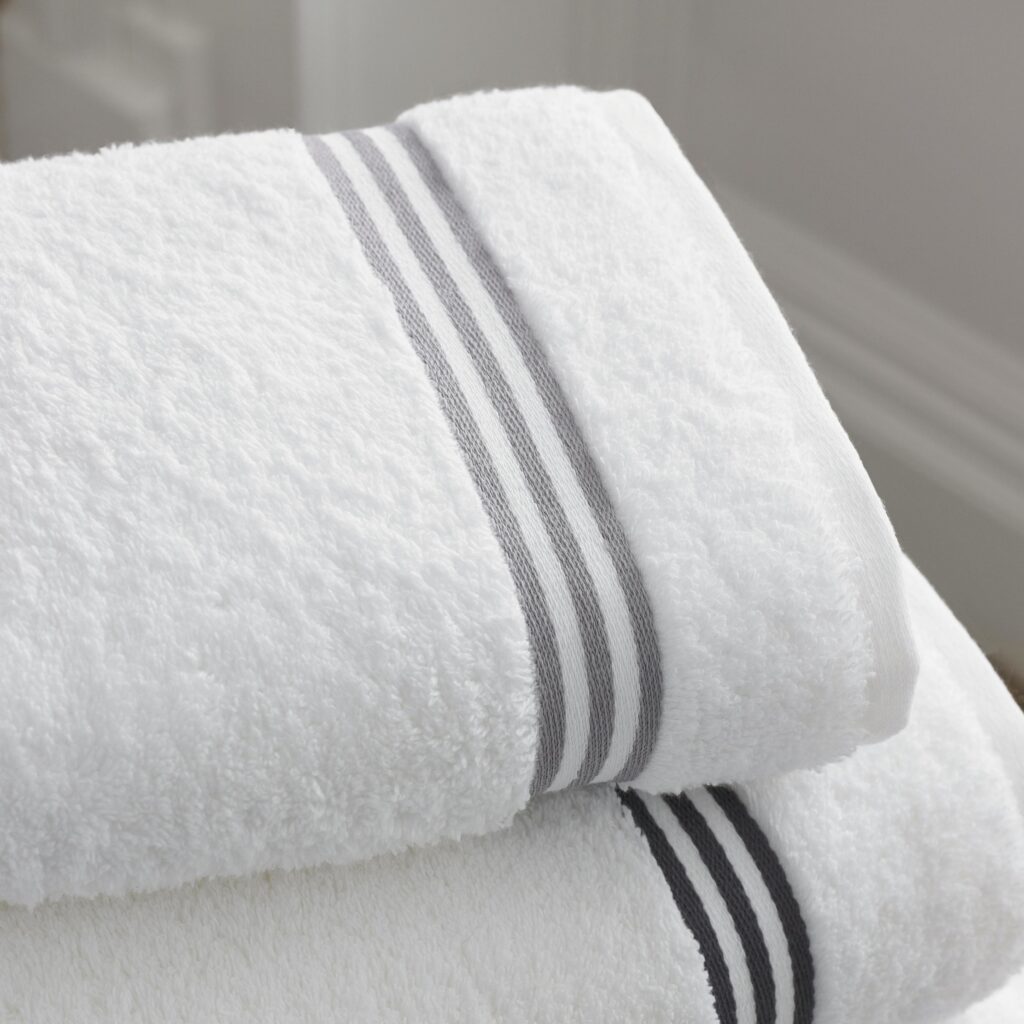
You can usually rent towels at the front desk.
When you get the ticket, you hand it to the attendant, usually behind a nearby desk. Usually, you can rent towels or even a pyjama-like garment to be used if the bath has a relaxation department, but in most cases, not.
Then, usually pass the restaurant, and go to a pair of noren, the Japanese door hangings. One is red, the other blue; usually, they also have the characters for men and women on them. The sides can change, as many baths do when they have finished cleaning up overnight, to enable visitors to get a full experience of the bath.
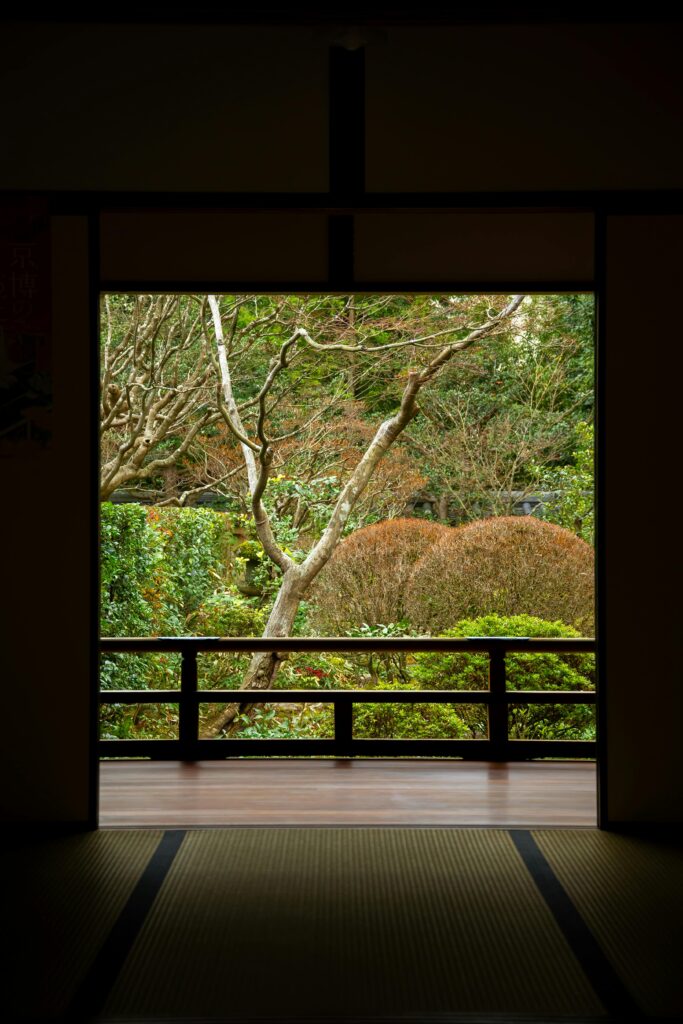
Many baths have small but meticulously manicured gardens.
When you enter, you get into a dressing room. It may be full of baskets, or there may be lockers. If there are baskets, use the small coin lockers that are provided for your valuables. Even though theft is unusual in Japan, there is no reason to tempt fate, since you are expected to leave all your clothes in the basket, which anyone can see.
Bring only the small towel
And your big towel, because now you bring only the small towel into the bath. Usually, the toilets are here too, if you need them. There is no toilet in the bath itself.
The entrance to the bath is often a zone with a few washbasins to wash your towel after the bath, and mats where you can stand and dry off. Go through it, and you come into the main washroom.
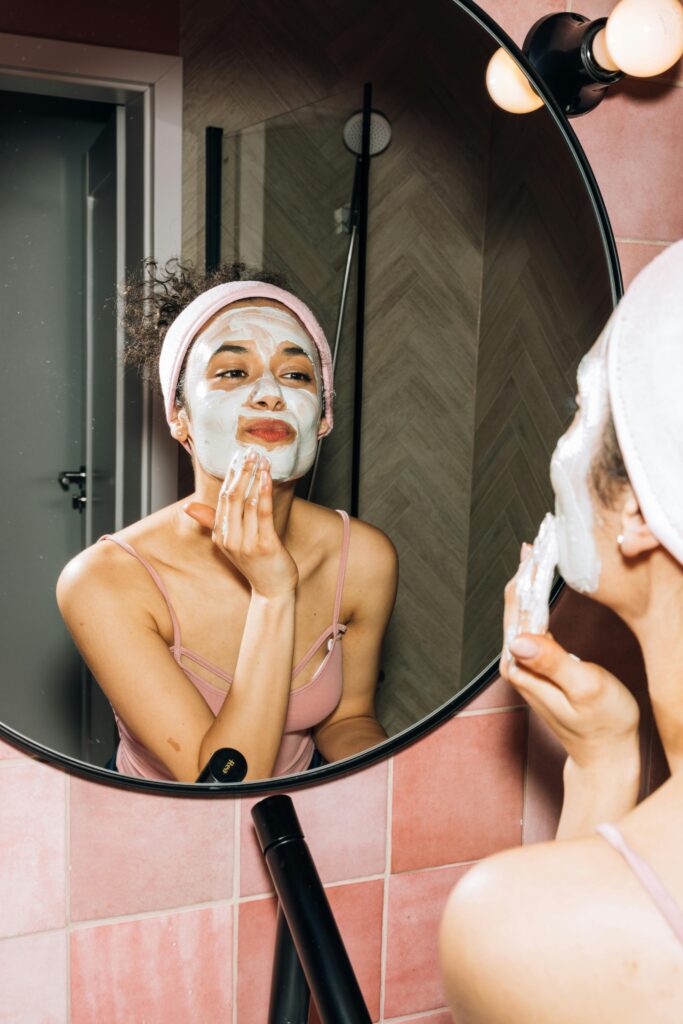
There are special washbasins for putting on and taking off makeup.
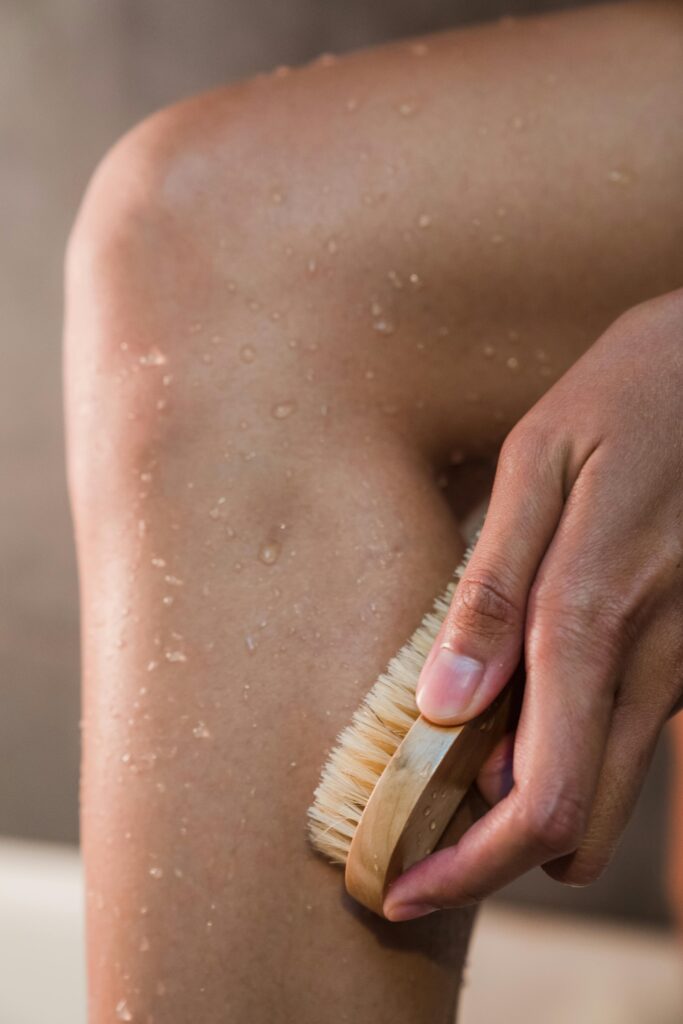
There are a couple of pails in a bucket of water replenished by a spout; here is where you can wash yourself if you are already clean, like having taken a shower just before. But in case you have sweat and grime, you need to sit down, soap yourself up, and wash off all the dirt.
No soapsuds in the bath
Rinse yourself carefully; you are not expected to bring any soap into the bath. On the plus side, splashing yourself with water from the handbasin is both soothing and soothing. Soap, shampoo, and conditioner are provided.
Cleaning up before the bath is essential.
When clean, hold the towel strategically in front of your sex, and go to the basin area. There are usually more than one basin, and many bathhouses have baths outside too. This is called rotenburo, and when the weather is cold, it is a special feeling to slip into the hot water as the cold nips your naked body (because, of course, everyone is naked, this is a bathhouse, not a swimming pool).
Scented water basins
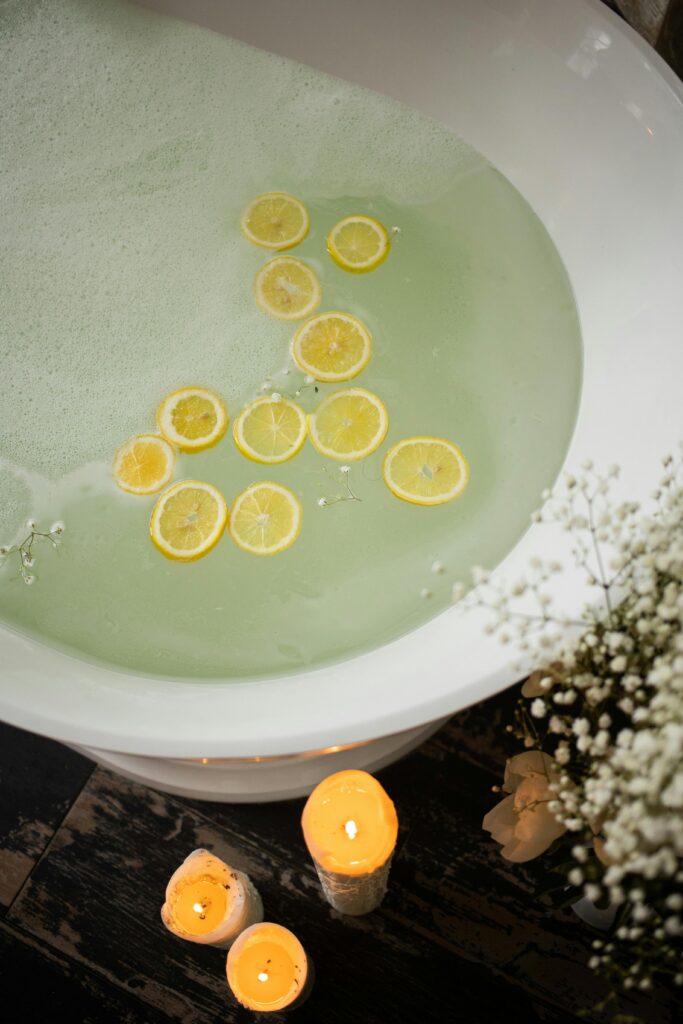
Many bathhouses also have scented basins, even if only a few tend to have actual flowers in the water. This is what Kamaji does in Spirited Away when he grinds the herbs. Try it if they have it, depending on the selected herbs it can be very refreshing.
After soaking in the main basin, you can try some of the others. Often there are baths with streams of bubbles and waterjets which will massage you, or electric baths, where a current or magnetic field is led through the water. People with pacemakers might want to be aware of these.
Sauna additions
Often, bath houses have added saunas. Some have both steam and dry saunas, but few have realised how steamy a typical Finnish sauna should be. There is often a TV in there, making it more of a heated relaxation room than a sauna. But if they do have a sauna, there will be a basin of very cold water outside.
In winter, onsen often put yuzu or mikan in the bath.
Typically, you go around between the different basins until you feel relaxed and the kinks have worked themselves out of your body. And then you are done. Dry yourself off, get dressed, and go enjoy a beer (or a soda) in the restaurant. Not nearly as sumptuous as what is served in Spirited Away, but solid fare for the working men and women relaxing at the end of the week.
Stay tuned for more exciting content like this! Follow us on our social media platforms and check out our blog regularly to stay updated on the latest news, trends, and insider stories from Japan. Don’t miss out on future updates — sign up for our newsletter for exclusive content delivered straight to your inbox!
Wisterian Watertree
Wisterian Watertree has been living in Tokyo and other Japanese cities for
the past 20 years, helping visitors get the best of Japan. He is the author of two
books, ”Take Your Toddlers To Tokyo” and ”Driving In Japan”, with more on the
way. You can read more on his website Japan Top 10, https://japan-top-10.com.