Planning to bike around Japan? Learn the key bicycle rules, common fines, and the new blue ticket system starting April 1, 2026, plus what to know about e-bikes and e-scooters in Tokyo.

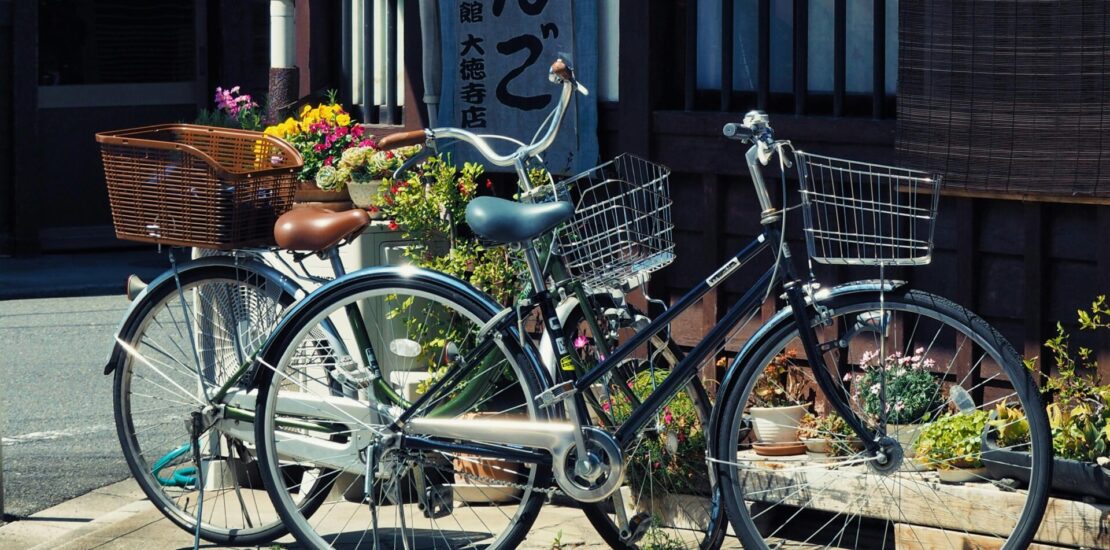
Planning to bike around Japan? Learn the key bicycle rules, common fines, and the new blue ticket system starting April 1, 2026, plus what to know about e-bikes and e-scooters in Tokyo.
Planning to explore Japan on a bicycle? Great choice! Biking is not only eco-friendly but also a fantastic way to see the sights. However, Japan has specific traffic rules for bicycles that every rider — especially visitors — should know to stay safe and avoid fines.
In this guide, we’ll take a gentle stroll through the essentials of Japanese bicycle laws, the important changes coming in April 2026, details about fines, and even introduce you to some popular electric bike and e-scooter services in Tokyo you can try out!
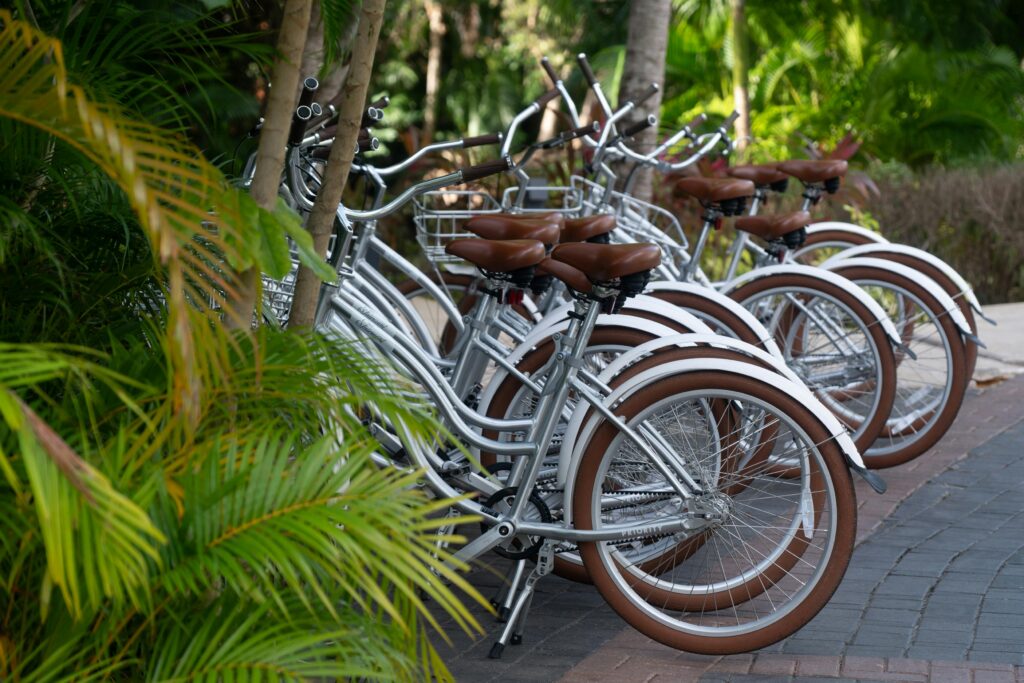
Bicycles are treated as vehicles: That means you must obey traffic signals, stop signs, and ride on the correct side of the road — the left side.
Sidewalk riding is generally not allowed: Unless otherwise signed, stay off sidewalks to keep pedestrians safe. If you must use the sidewalk, be sure to go slowly and give way to walkers.
No phone use while riding: Using your smartphone, headphones, or holding an umbrella while biking is prohibited for your safety.
Japan is introducing a new system called the “Blue Ticket” (or “Ao-Kippu”) for bicycle traffic violations. Here’s why it matters:
Violations like red-light running and phone use while cycling will result in a fine without needing a court appearance.
This quick fines system aims to make bike safety better and reduce accidents.
Depending on the offense, fines range between roughly 3,000 to 12,000 yen.
New rules will also require cars to maintain safe distances from bicycles when passing on the right side.
| Violation | Approximate Fine (JPY) |
|---|---|
| Using a phone while biking | 12,000 |
| Running red lights | 6,000 |
| Riding on sidewalks without cause | 6,000 |
| Riding without lights at night | 5,000 |
| Riding two abreast or carrying a passenger when forbidden | 3,000 |
Beware: Severe violations can escalate to court proceedings.
Electric Bicycles (E-bikes): These are bicycles with motor assistance only when pedaling, and assistance stops above 24 km/h. Legally, they are considered normal bicycles, so no license or registration is needed.
Electric Kick Scooters: These fall under a different category called “Specified Small Motorized Vehicles.” They have distinct rules, sometimes require special insurance, and violate rules (like riding on sidewalks) can lead to penalties or even suspension of your scooter app privileges.
Want to try riding? Tokyo has some well-known services:
Docomo Bike Share: Offers thousands of electric bicycles across 13 wards including Shinjuku, Chiyoda, and Minato. Great for all-day sightseeing.
COGICOGI: Covers areas like Shibuya and Sumida; great for casual trips.
Lime: An international electric scooter sharing service now available in Tokyo’s Sumida and Taito wards. Lime is known for its sleek design, safety standards, and global presence in over 250 cities worldwide. Easy to rent via app, Lime scooters are perfect for short, eco-friendly city rides.
👉 Explore more here: https://www.li.me/ja-jp
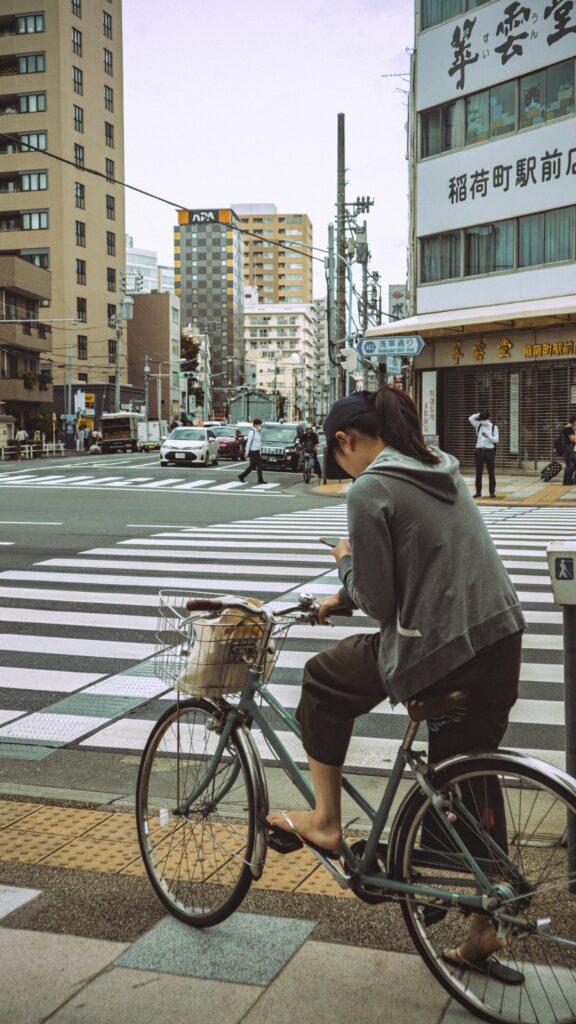
Always wear a helmet — while sometimes voluntary, it’s the safest practice.
Use lights at night; it’s required by law.
Study and respect local traffic laws to avoid fines and accidents.
Ride courteously toward pedestrians and other vehicles.
Exploring Japan by bike is wonderful, but understanding the rules before you hop on makes your journey safer and more fun. With the new blue ticket system coming soon, staying informed helps you avoid surprises.
Have questions about biking in Japan? Feel free to reach out, and enjoy your ride!
Stay tuned for more exciting content like this! Follow us on our social media platforms and check out our blog regularly to stay updated on the latest news, trends, and insider stories from Japan. Don’t miss out on future updates — sign up for our newsletter for exclusive content delivered straight to your inbox!