Why You Need To Know Some Kitchen Hacks
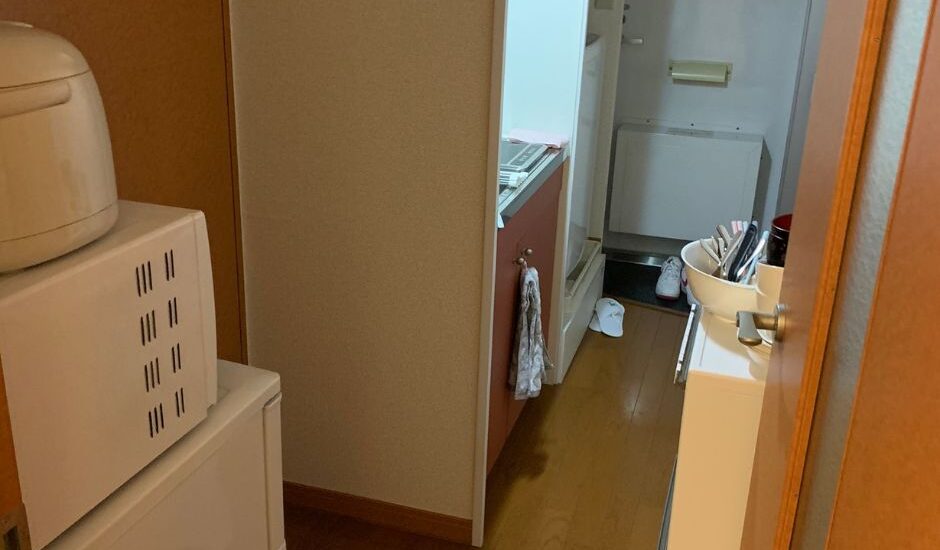
When you live in Tokyo, it often means having to make do with limited space, especially when it comes to the kitchen. From fewer gas or induction burners to the lack of proper equipment for baking, you will need to plan your prep and cooking process carefully to be able to cook more complex recipes.
Whether you’re in a 1K apartment with only one induction burner located right beside a tiny sink and zero countertop space or a compact 1LDK with a narrow galley kitchen, cooking at home can feel like a challenge. However, living small doesn’t mean you give up cooking completely.
This guide is filled with practical kitchen hacks, storage solutions, multi-function appliance recommendations, and cooking strategies designed for Tokyo apartment living. Whether you’re a home chef/baker or just trying to minimize eating out, here’s how to make your tiny kitchen work smarter, not harder.
1. Master the art of multi-use appliances
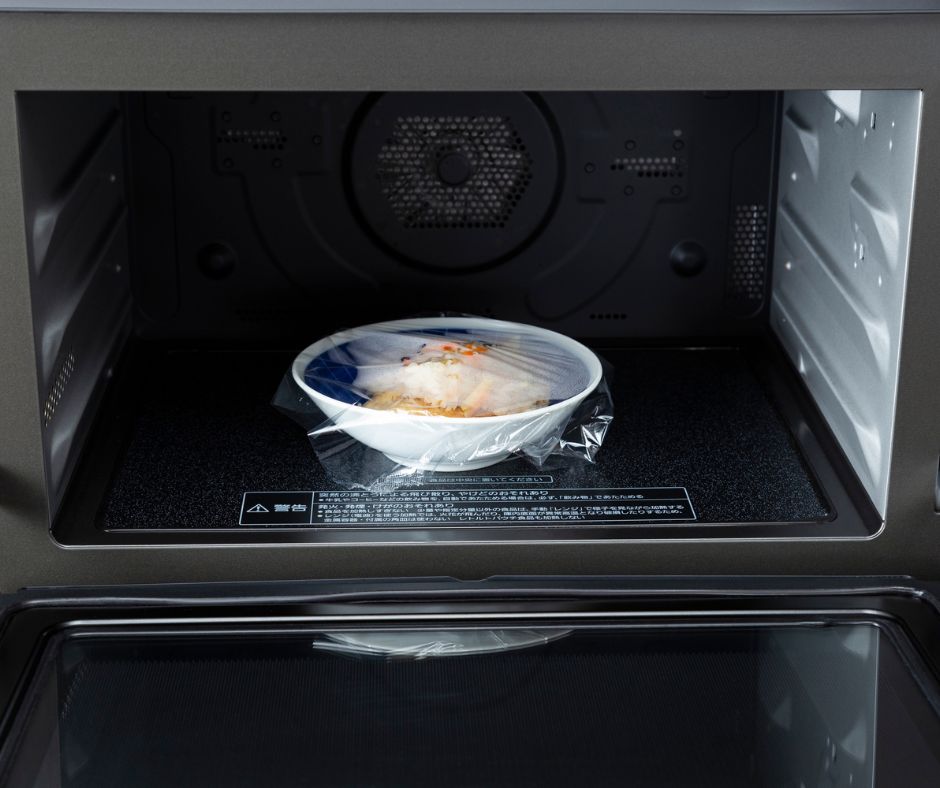 Tokyo kitchens often lack built-in multi-layer ovens, stovetops with more than two burners, or even full sinks. But a few compact, multi-use appliances can completely change how you cook.
Essential tools:
- Electric hot plate (ホットプレート) – this is a tabletop cooking appliance that lets you fry, grill, or simmer food directly at your table. Some models come with interchangeable plates for takoyaki, flat griddle cooking, or deeper pans for hotpot. These are great for one-pan meals and social cooking. Another option to the electric version is a portable gas burner.
- Top brands: Iris Ohyama (affordable, functional) and Bruno (stylish, colorful, ideal for serving guests)
- Recommended use: yakiniku, okonomiyaki, stir-fry, pancakes, hotpot, and more.
- Microwave-Oven Combo (レンジ機能付きオーブン) – this appliance will be your trusty sidekick in the kitchen as it combines the speed of a microwave with the functionality of a toaster or convection oven, letting you bake, roast, toast, and reheat – all in one device! High-end models even have steam and proofing functions for those who bake bread.
- Top brands: Sharp and Toshiba models often have the best bells and whistles when it comes to doing everything you can imagine with the appliance. However, you can find an Iris Ohyama microwave-oven combo for as low as ¥20,000.
- Recommended use: on top of microwaving and baking, you can use this appliance to toast, defrost, and grill.
- Electric kettle with temperature control – More than just a kettle, this lets you select exact temperatures for brewing coffee, tea, or even making dashi or instant noodles. Quick, energy-efficient, and compact.
- Top brands: Tiger, Zojirushi, and Balmuda (high-end design focus)
- Recommended use: Brewing green tea at 80°C, pour-over coffee at 92°C, or prepping baby formula. With your limited stove burners, having a backup way to boil water can save you when in a pinch.
- Mini Rice Cooker – these are designed for solo or couple households, which make up to three cups of rice only, and don’t take up a lot of space. Many offer additional modes for porridge, cake baking, steamed veggies, or even ramen! You’d be surprised how many things you can make with a rice cooker in Japan.
- Top brands: Zojirushi (premium models with fuzzy logic), Tiger (durable and budget-friendly), and Panasonic (modern tech features)
- Recommended use: Rice for 1–2 people, morning okayu, steamed mochi, or slow-cooked daikon.
Bonus Tip: Most of these items are available on Amazon Japan, Rakuten, or electronics stores like Bic Camera and Yodobashi.
2. Use every vertical surface
Storage is everything when it comes to a Japanese – and most of it has to go upward, especially when your “pantry” can’t even fit a 5-kg sack of rice.
Vertical hacks that work:
- Magnetic racks that you can attach to the side of your refrigerator or any metal surface. These are perfect for storing spices, paper towels, cooking tools, timers, or kitchen scissors. You can find strong magnetic racks at Nitori, Muji, Amazon Japan, or even Daiso.
- Over-the-sink racks are expandable racks that rest over your sink to hold drying dishes, cutlery, or cutting boards. They free up precious counter space and double as a prep station when you’re not washing. These are also available at most stores selling home goods.
- Adhesive or suction hooks, which you stick on tiles, cabinet doors, or the fridge, are god-send when it comes to hanging potholders, measuring spoons, and small frying pans. Daiso and Seria offer dozens of shapes, sizes, and load-bearing options.
- Stackable shelving units, which you put inside cabinets, create extra levels to store kitchenware. On countertops, they’re used to raise appliances and tuck smaller items below. Under the sink, you can keep your cleaning supplies nice and tidy by utilizing every vertical space available.
We’ve lived in a 1K apartment, and as chefs, we made do with the limited space. Every inch under and over the sink was maximized. Luckily, our washing machine was right beside the stove, so we used that as counter space. Got to dry fresh lasagna sheets on top, too!
Pet-friendly tip: If you live with a curious cat or mischievous pup, always store sharp utensils and glass items on higher shelves or inside closed cabinets. Use wall-mounted racks above shoulder level and avoid open bins near the floor to prevent paw-powered accidents.
Bonus tip: Combine vertical storage with aesthetic appeal by matching your hacks, such as neutral baskets or same-color hooks, to keep your space neat and stylish.
3. Rethink your grocery game
Cooking in Tokyo becomes much easier and less wasteful when you tailor your grocery habits to your space. You might need to make more frequent trips to the store, but this makes for less waste when you have zero energy to cook some nights, and that bundle of spinach in the fridge has been begging to be used for the past week. Small fridge and narrow pantries make bulk-buying difficult, but thankfully, Tokyo has a supermarket on every block and 24-hour convenience stores at every corner in case you run out of the essential ingredients.
Grocery tips for tiny kitchens:
- Buy smaller, more frequent groceries – Instead of doing one big weekly haul, you can try grocery shopping every 3 days. This way, your produce stays fresh, and you don’t overload your fridge.
- Use your freezer efficiently – You can slice meat or fish into portions before freezing so you only defrost what you need. Freezer bags are readily available in stores, even 100-yen shops, and stack nicely in the freezer. You can even freeze curry roux, broth, and other sauces in silicone ice cube trays for single-serve use later. Don’t forget to label everything with the date and contents to avoid mystery meals.
- Reusable containers and bags are your best friend – Brands like LocknLock, ZipTop, and MUJI offer reusable silicone pouches and stackable containers to maximize your fridge space.
- Plan meals around multi-use ingredients – Versatility goes a long way in a small kitchen. You can opt for ingredients that can be used in many recipes. For example, cabbage for yakisoba tonight, okonomiyaki tomorrow, and if there’s any left, miso soup the day after.
Budget-friendly stores to know:
- Gyomu Super (業務スーパー)
- Known for bulk packaging, frozen vegetables, cheese, sauces, and international items.
- Great for stocking up on gyoza, meat, and baking supplies.
- OK Store (オーケーストア)
- Discount supermarket chain with high-quality meat, veggies, and ready-to-eat food.
- You can even get more discounts if you get their point card and pay in cash.
- Seiyu / Rakuten Seiyu Net Super
- Standard supermarket with a reliable delivery service.
- Rakuten users can collect points and schedule grocery drop-offs.
- Don Quijote (ドン・キホーテ)
- Surprisingly good for snacks, frozen goods, condiments, and bulk sauces.
- Most branches also have an international food section for those hard-to-find ingredients.
- 100-Yen Shops (Daiso, Seria, Can Do)
- While not for perishables, these are great for spices, instant noodles, dried herbs, and storage containers.
Bonus Tip: Shop around 7:30–8:30 PM for post-dinner discounts on fresh food and bento boxes. Look for red or yellow markdown stickers (半額 or 値引き) near the deli section.
4. Small-kitchen safety
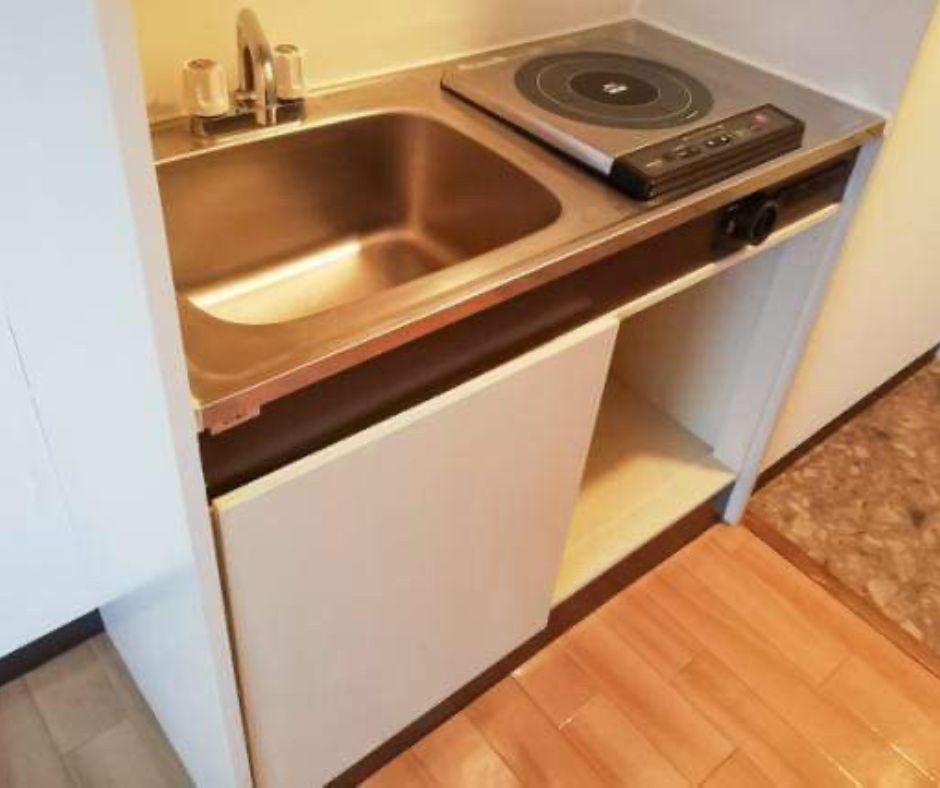 Tiny kitchens mean tight quarters—and that can come with real hazards, especially when you’re working with heat, sharp tools, and minimal space. Safety should always be the top priority, especially in Japanese apartments where ventilation is limited and kitchen layouts are compact.
Safety tips:
- Never leave a hot plate or gas portable burners unattended, and consider placing them on a non-slip mat if you have kids or pets as an extra safety measure.
- Invest in a fire extinguisher. These are compact, affordable, and available at hardware stores, shops like Don Quijote, or online.
- Monitor steam damage. If your cabinets/shelving are placed directly above burners or microwaves, check if they have become warped or developed mold from repeated exposure to steam. Make use of your range hood or set up a small clip-on fan and open a nearby window when cooking as an alternative.
- Keep cords and tools organized and avoid them getting near water or hot surfaces.
Bonus Tip: Many Tokyo landlords and management companies now include kitchen safety clauses in rental agreements. Make sure to check yours, especially if you’re using gas appliances or installing new devices.
Cooking in a Tokyo apartment may require a few adjustments, but with the right tools, smart shopping, and space-saving strategies, it can be a joy. In fact, the constraints often lead to more creativity, less waste, and simpler, healthier meals.
So whether you’re working with a single burner or a mini rice cooker, don’t let your small kitchen hold you back. With these hacks, your Tokyo kitchen can do a whole lot more with a whole lot less.
Stay tuned for more exciting content like this! Follow us on our social media platforms and check out our blog regularly to stay updated on the latest news, trends, and insider stories from Japan. Don’t miss out on future updates — sign up for our newsletter for exclusive content delivered straight to your inbox!